
Pensacola Garage Door Guide
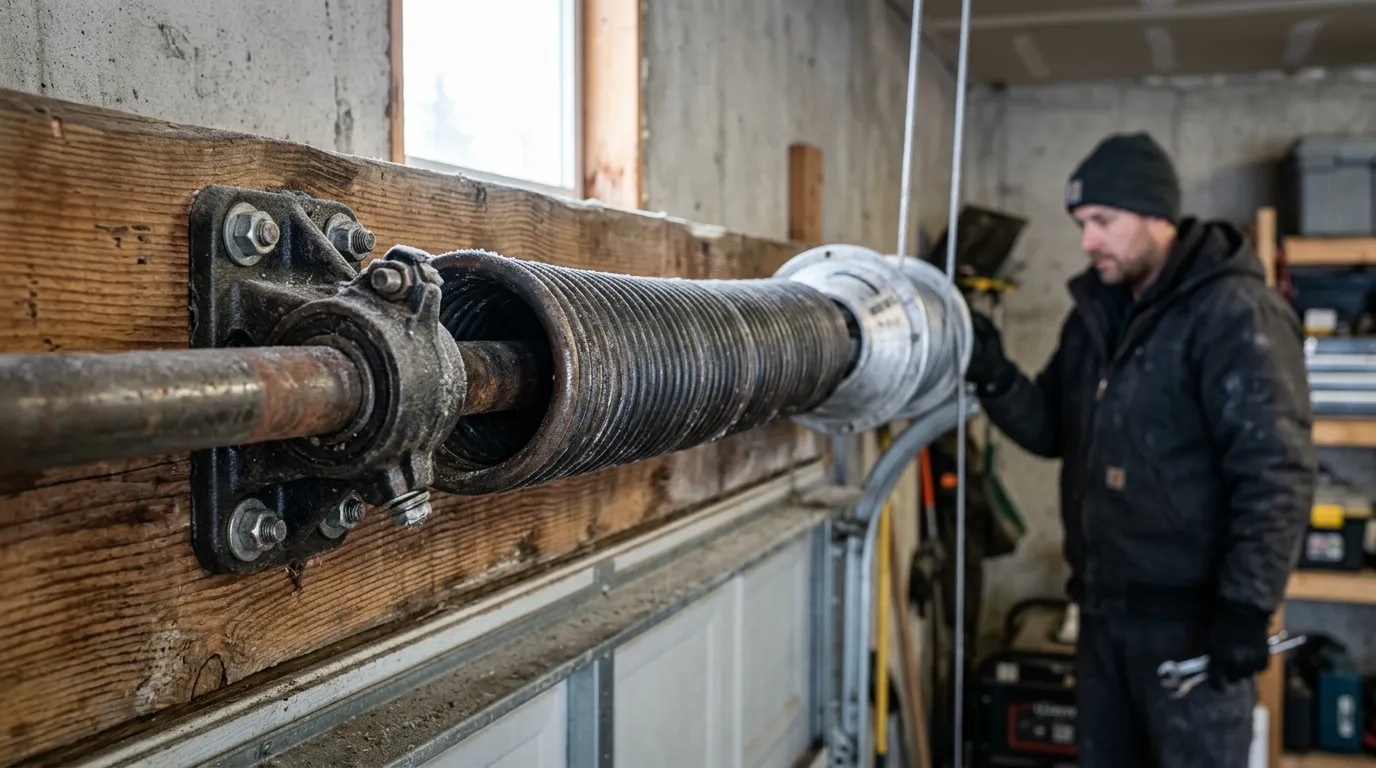
A Broken Spring on a Cold Pensacola Morning
Pensacola sees occasional freezes that stiffen torsion springs on homes built 1963-2002. Here's when a broken spring is a DIY fix and when it isn't.
- Licensed & Insured
- Same-Area Service Calls
- Upfront Pricing
The Situation
Pensacola doesn't get real winters, but it gets enough overnight freezes to catch homeowners off guard. You wake up, hit the opener button, and the door either won't budge or slams down half a foot with a bang. That's a torsion spring letting go, and cold snaps are when it tends to happen.
Steel contracts when it's cold, and a spring that's been quietly fatiguing for years finally gives on the one morning it's 34 degrees instead of 60. Most of the housing stock in this service area went up between 1963 and 2002, with the bulk of it dating to the 1980s and 90s. That means a lot of original or first-replacement torsion springs are now old enough that a hard freeze is just the final straw, not the real cause.
The spring was already near its cycle limit; the cold snap is what tips it over. If your door is loud, uneven, or slow to respond on a cold morning even though it worked fine the day before at 70 degrees, that's the pattern worth paying attention to before it breaks all the way.
When It Stops Being a DIY Job
A broken torsion spring is not a job to hand-tool your way through, cold morning or not. These springs are wound under several hundred pounds of tension, and releasing that tension without the right bars and clamps is how people end up in the emergency room, not the garage. If you can see a gap in the spring coil above the door, or the door won't lift more than a few inches with the opener disconnected, stop there.
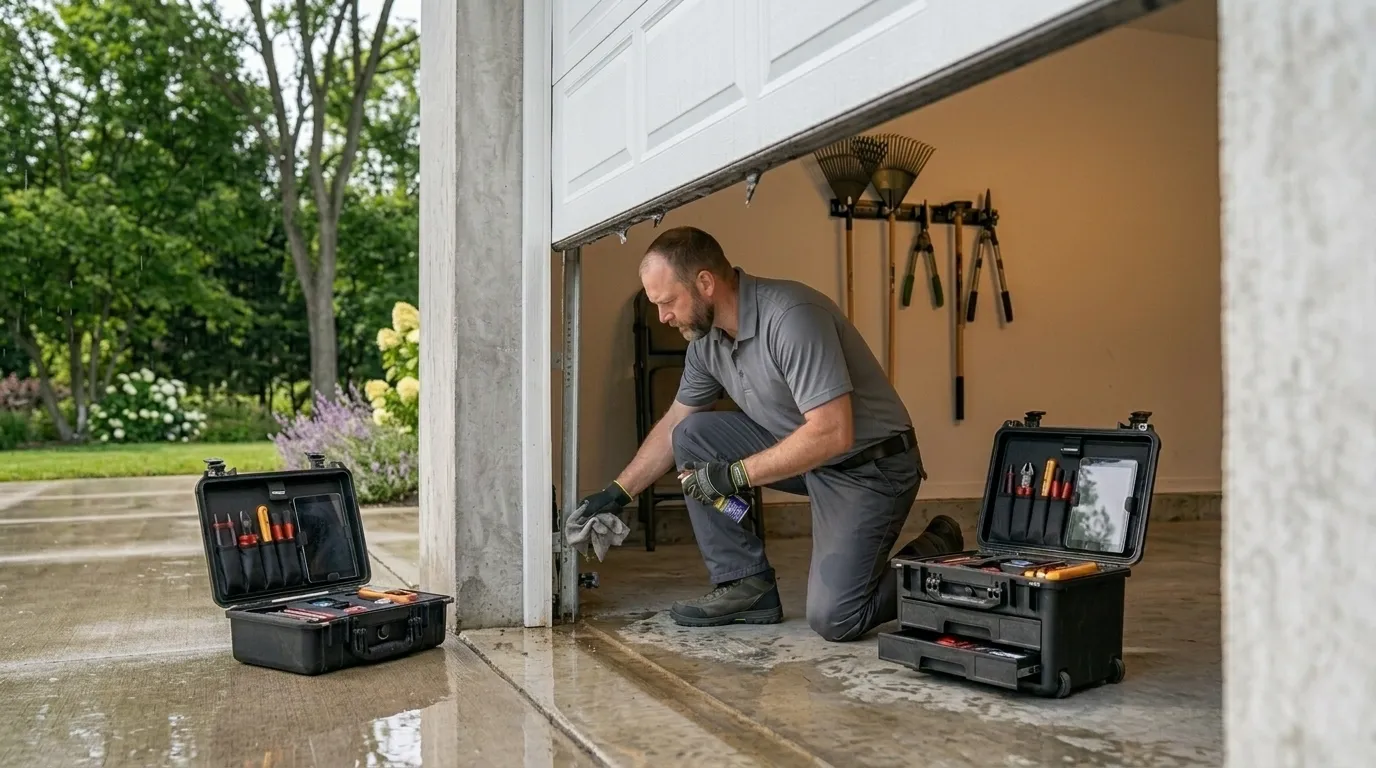
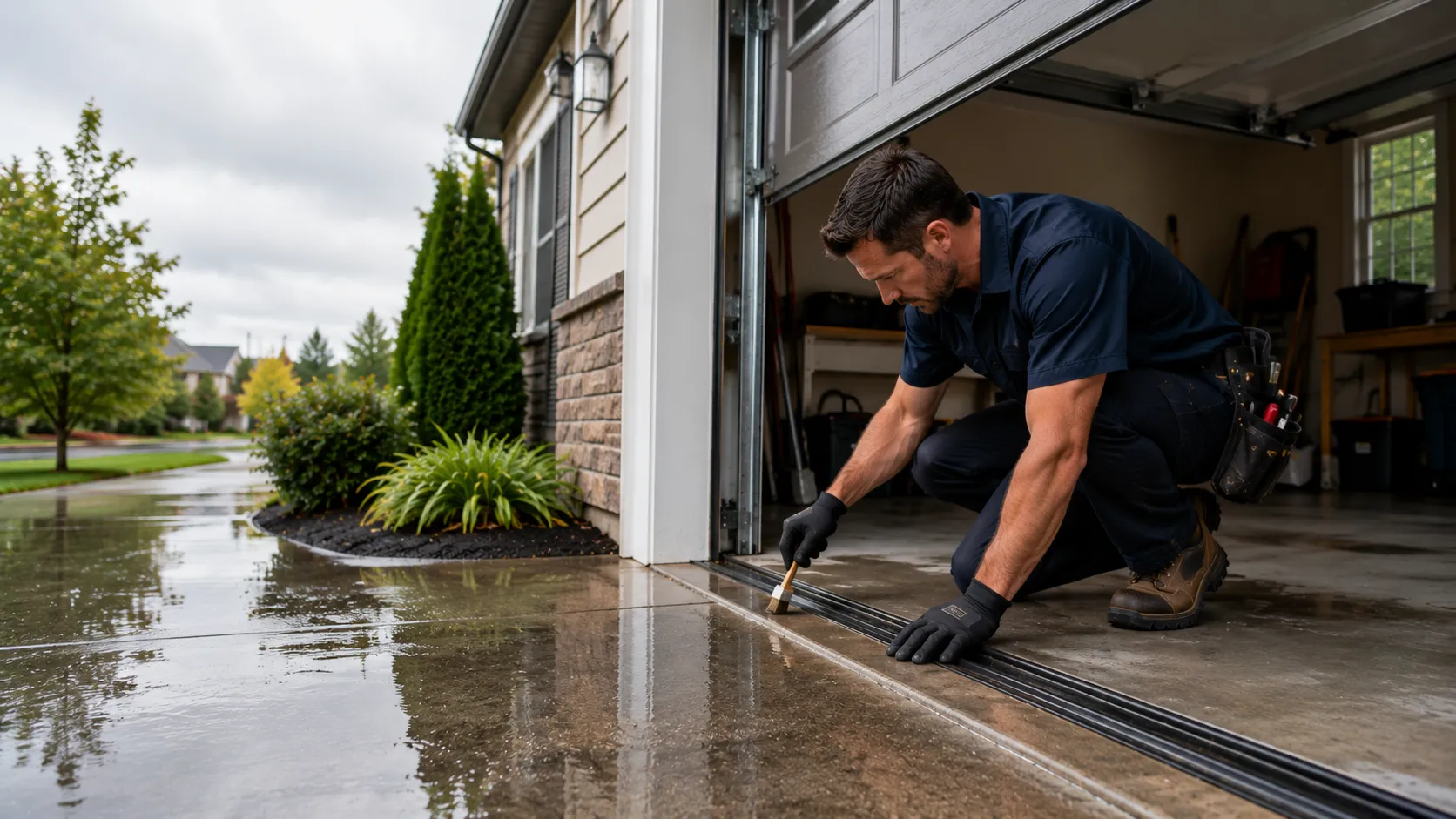
That's the line. Lubricating hinges, tightening a loose track bracket, or replacing a worn roller - those are reasonable homeowner tasks. Swapping a torsion spring on a double door, especially one that's been under tension since the 1980s or 90s, is not.
One honest limitation: if the spring is original to a house built in that era, the drums, cables, and bearing plates around it are usually just as old, and a spring-only fix sometimes just moves the next failure to a different part a few months later. Worth knowing before you pay for a single-part repair.
How Local Conditions Play In
This area sits in a mild climate band with occasional freezes, not the deep-freeze cycling that breaks springs up north through sheer repetition. That works in your favor most of the year. But it also means local springs and hardware aren't always specced or replaced with cold in mind, because nobody's thinking about it in July.
When a freeze does roll through, it's often the first cold stress that hardware has seen in months, and steel that's been sitting at 70-80 degrees suddenly has to flex at 30-something. Add in humidity swings that are normal here and you get some rust creep on cables and bottom brackets even without hard winters. None of this means you need heavier-duty gear than what's standard - it means a spring near the end of its life is more likely to pick a cold snap to fail than a random Tuesday in August.
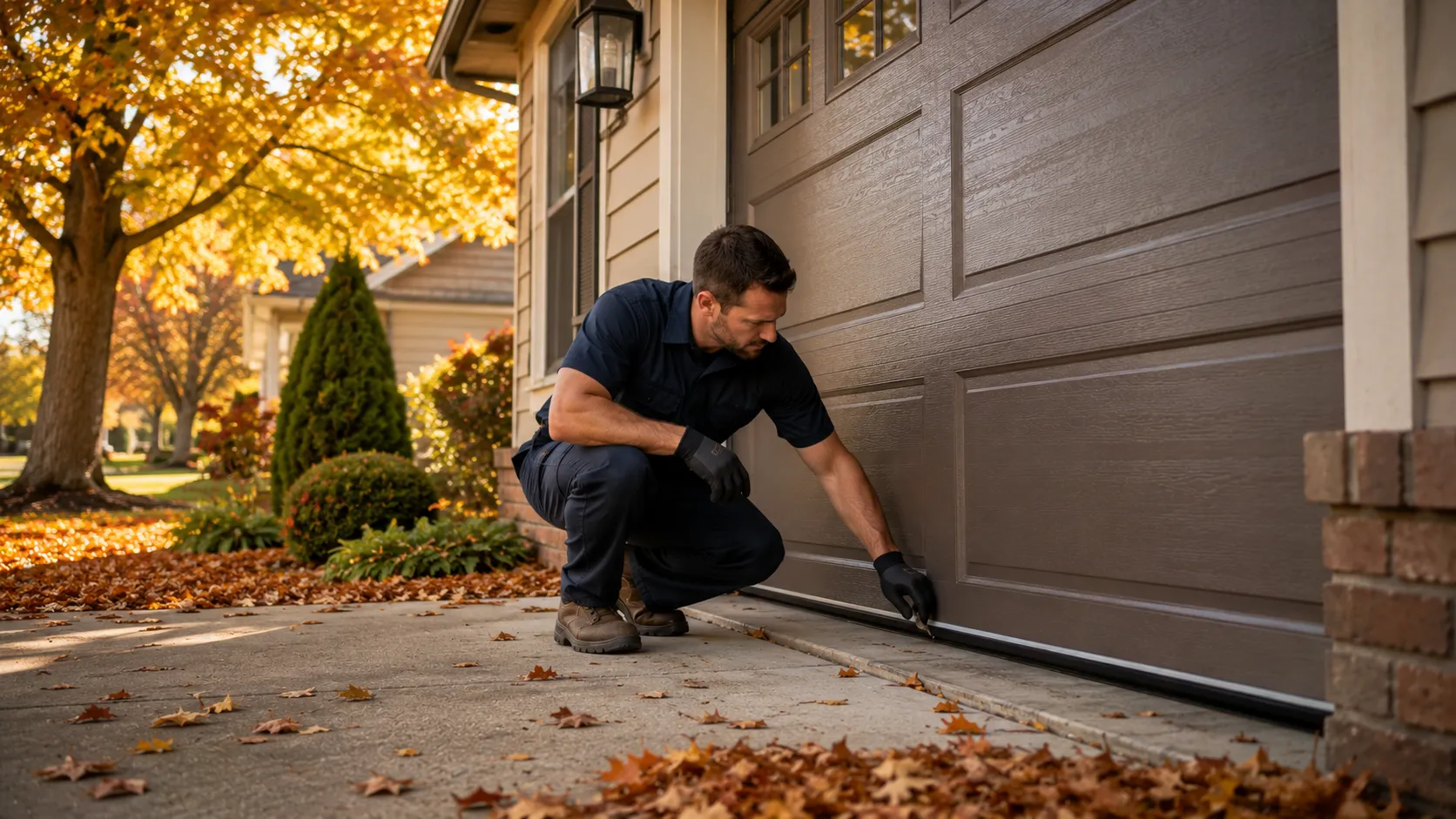
If your house falls in the 1963-2002 range that covers most of the area, that's one more reason a pre-winter check of the spring and cable condition is worth ten minutes.
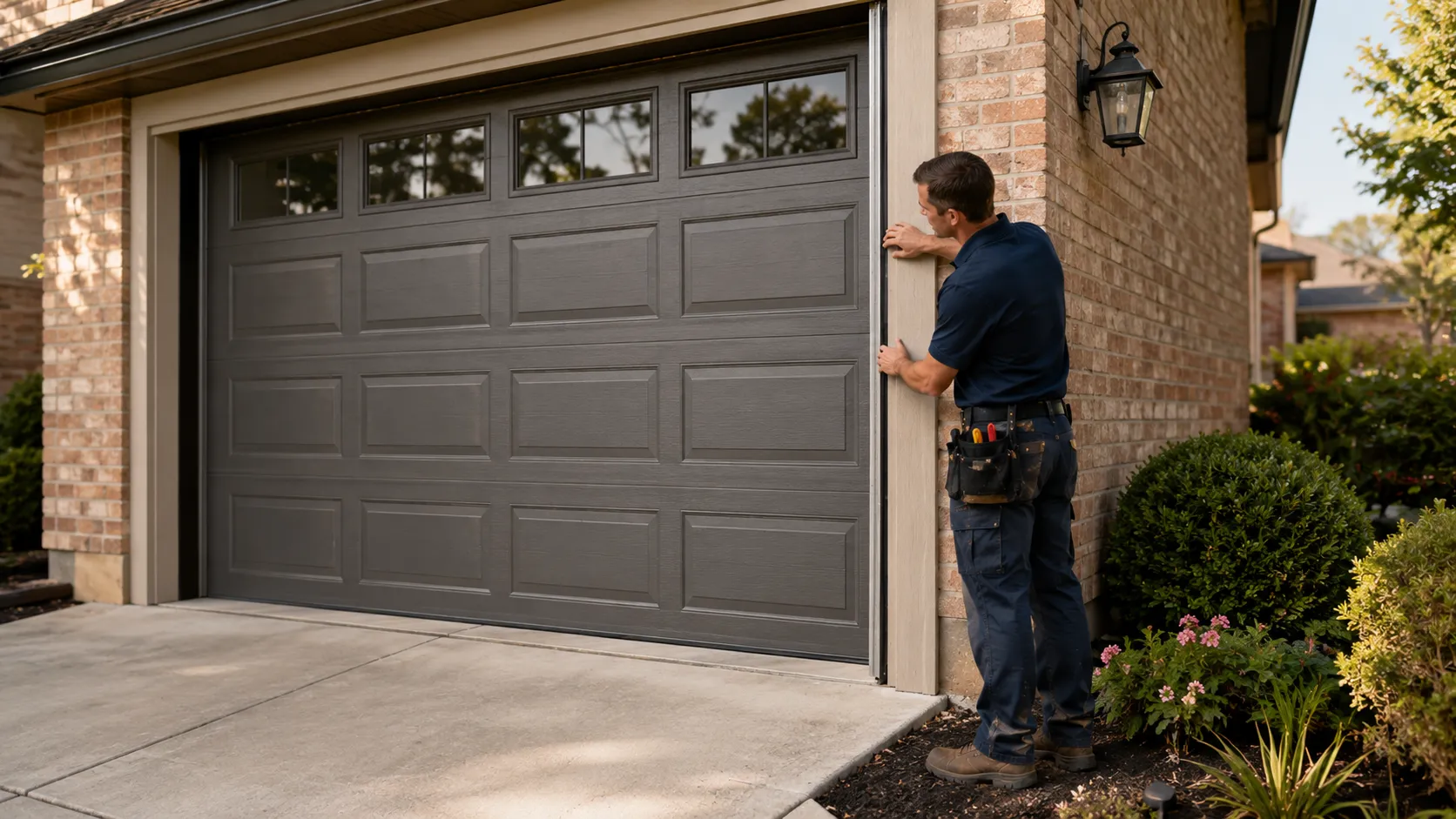
Leaving It Alone
Sometimes the right move is to not touch it until someone with the right bars is standing there. If the spring already broke and the door is down, leave the opener disconnected and don't force the door up by hand past the first foot or so - you can bend the track or pull a cable off the drum trying to muscle a 150-plus pound door. If the door is still working but sounds different on a cold morning - a grind, a thunk, a slow start - that's worth a call rather than a wait.
Waiting through a few more freeze-thaw mornings on a spring that's already stressed usually doesn't buy you anything; it just moves the failure to a less convenient day. On the other hand, if the door is old enough and rough enough overall - track bent, panels dented, opener original to the house - a spring repair alone might not be the fix that makes sense. Sometimes the honest answer is that the door's had its run and the money's better spent on a new one.
How We Can Help
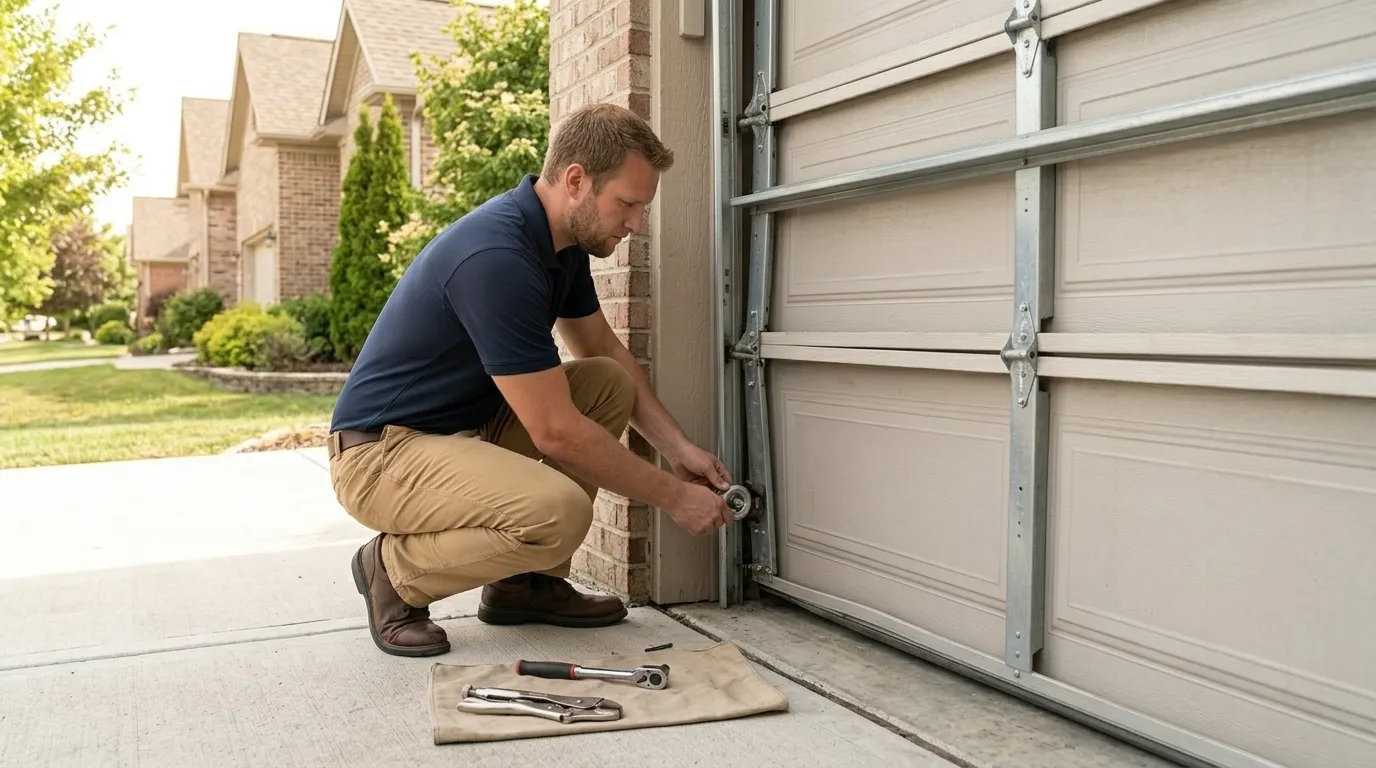
Garage Door Repair
Springs, cables, tracks, rollers, and openers fixed by a tech who explains the problem before touching anything.
Learn more →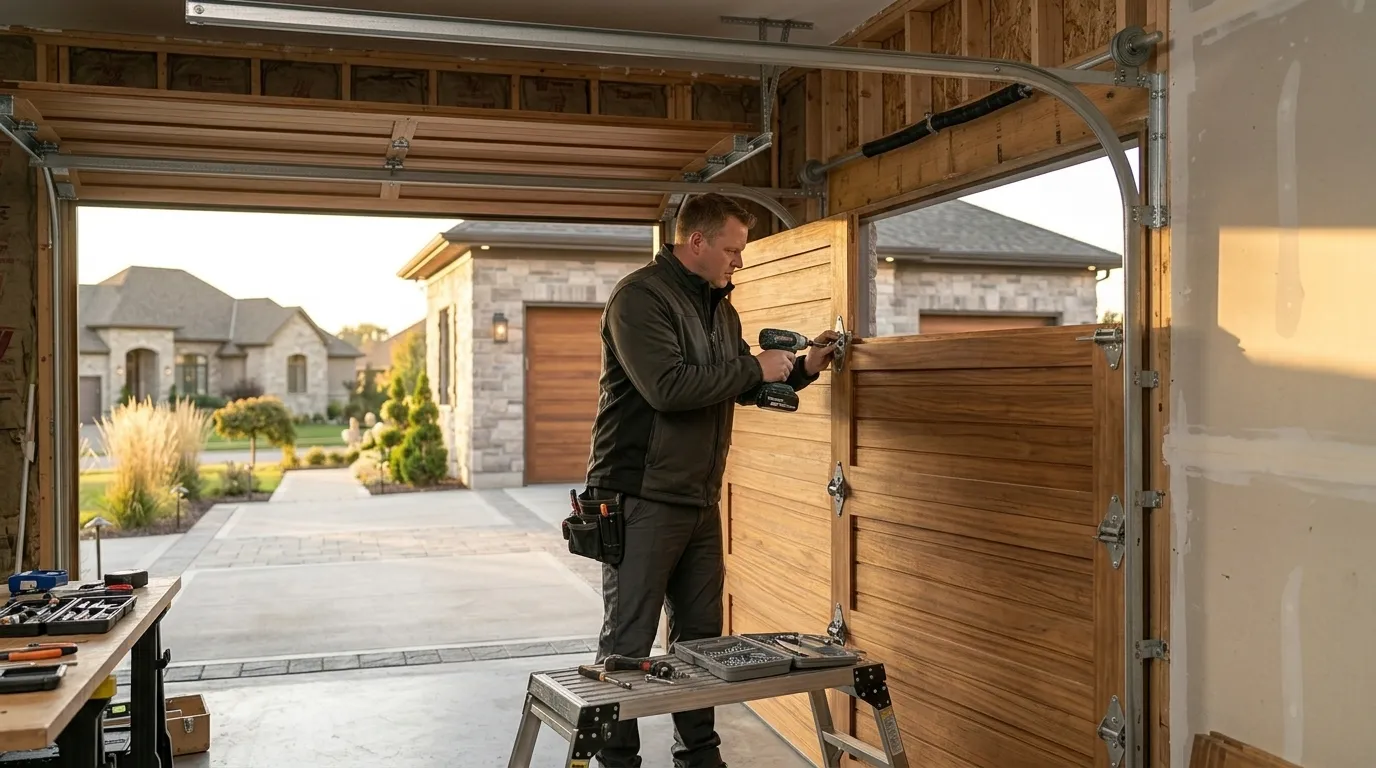
Garage Door Installation
New sectional doors sized and installed for the housing stock actually built in this area.
Learn more →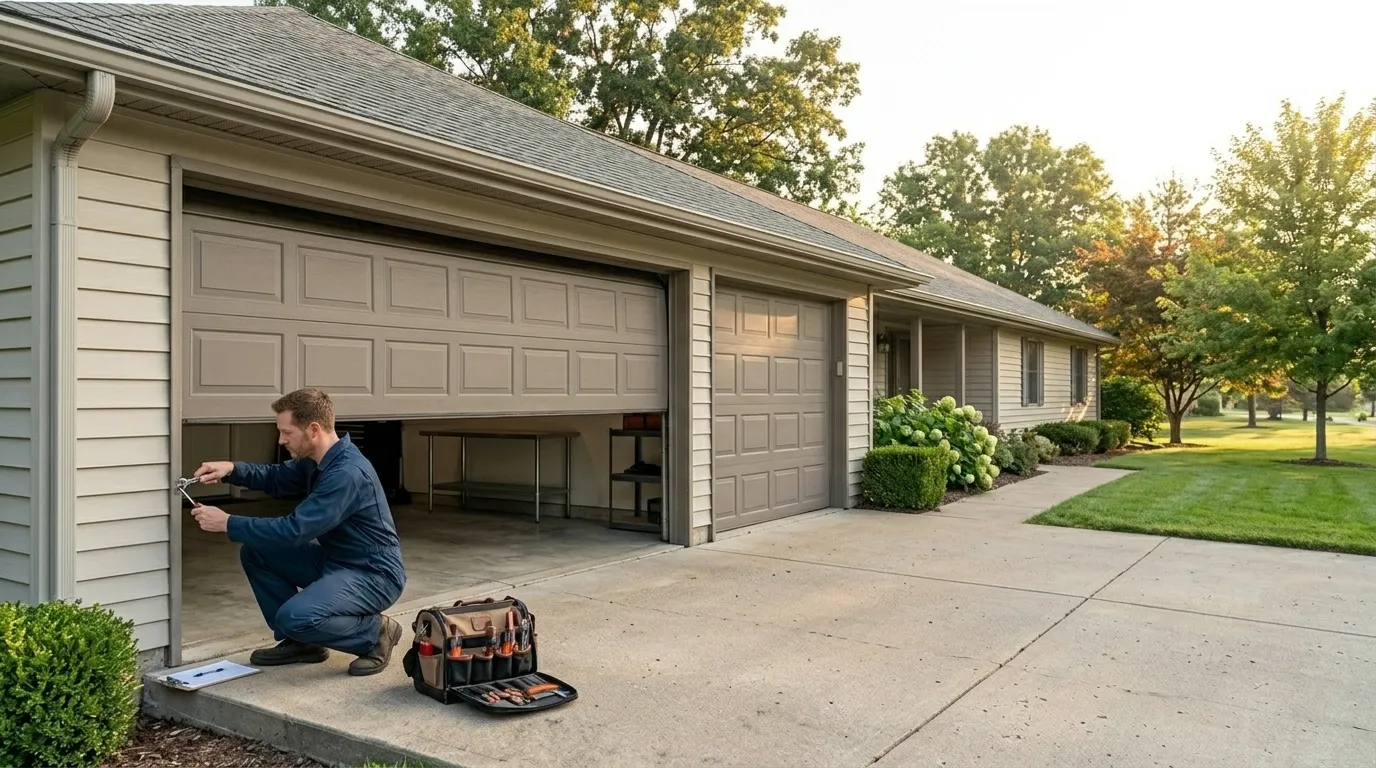
Garage Door Service
Tune-ups, lubrication, and safety checks that catch a small problem before it becomes a service call.
Learn more →Frequently Asked Questions
Why did my garage door spring break on a cold morning here?
Steel contracts in the cold, and a torsion spring that's already near the end of its cycle life is more likely to snap when it's 30-something degrees than on a warm day. Since much of the local housing dates from 1963 to 2002, a lot of springs are old enough that a freeze is often the trigger, not the root cause.
Can I replace a torsion spring myself?
No. These springs hold several hundred pounds of tension and releasing that without the right winding bars can cause serious injury. Homeowner tasks like lubing hinges or swapping a roller are fine; the spring itself isn't a do-it-yourself repair.
Does Pensacola's climate mean I need a heavier-duty spring?
Not necessarily. This area sits in a mild band with only occasional freezes, so it's not the repeated deep-cold cycling that wears out springs elsewhere. The issue is usually spring age meeting a cold snap, not a climate mismatch with the hardware.
Is it ever worth replacing the whole door instead of just the spring?
Sometimes. If the track is bent, panels are dented, or the opener is original to a house from the 1980s or 90s, a spring-only repair might just shift the next failure elsewhere. Worth weighing the door's overall condition, not just the broken part, before you decide.
Have a Door That Needs a Second Opinion?
Call and describe what it is doing - we will tell you what it likely is.