
Pensacola Garage Door Guide
Older Pensacola Garage Doors: When Repair Still Makes Sense
Pensacola homes mostly date 1963 to 2002, so many garage doors are original steel sectionals - here's what's still worth repairing and what isn't now.
- Licensed & Insured
- Same-Area Service Calls
- Upfront Pricing
The Situation
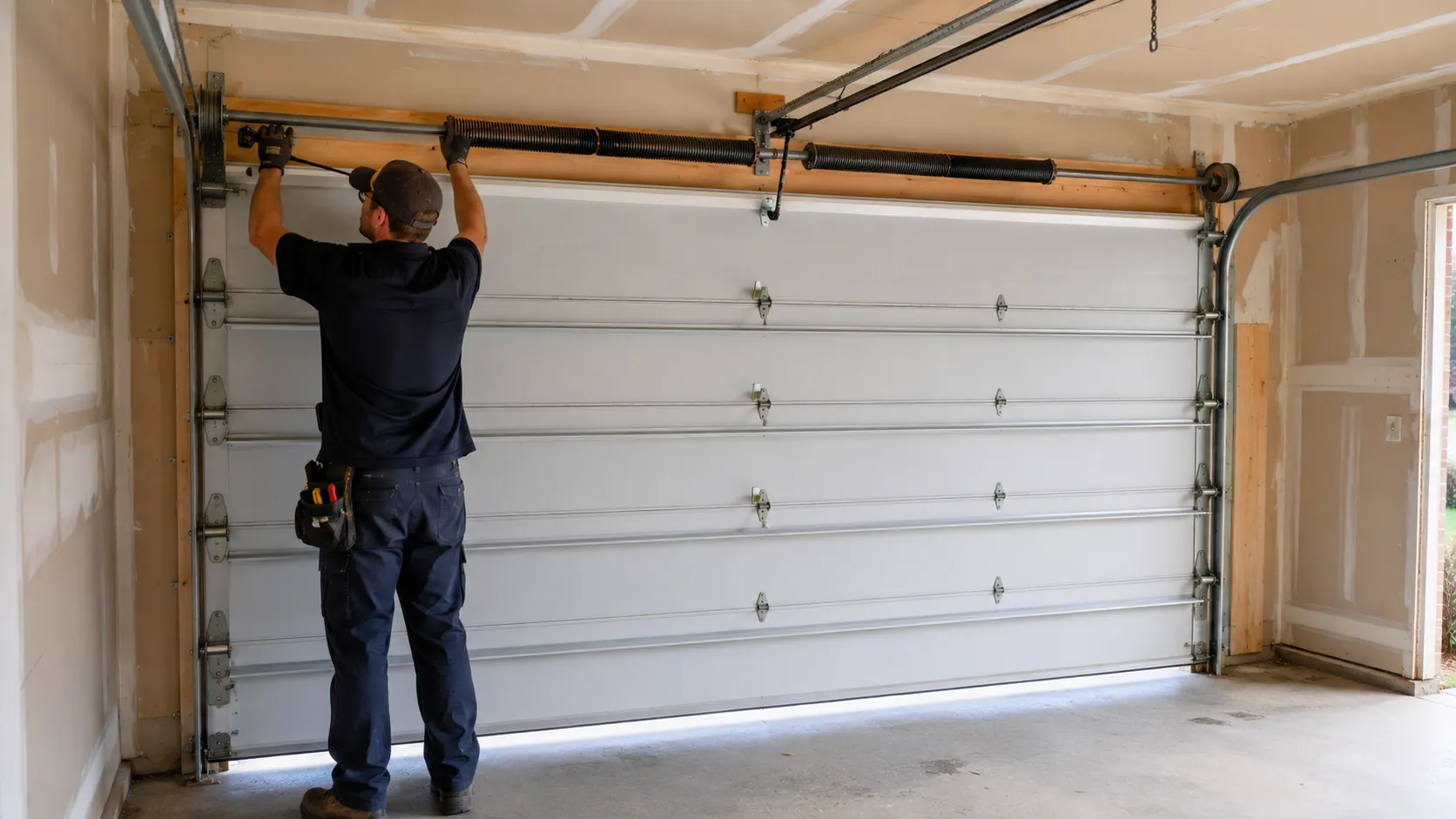
Across the areas we work in - Goulding, Brent, West Pensacola, Ferry Pass, Myrtle Grove, Bellview, Warrington, and the rest of the 17 named areas out to Molino and Milton - most houses went up between 1963 and 2002, with the typical build year landing around 1985. That means a huge share of the garage doors on this side of town aren't recent installs. They're original steel sectional doors, or a first replacement from the 90s, running on torsion or extension hardware that was standard for that build era.
That matters because a door built to 1985 specs isn't wrong or unsafe by default - it's just old. Springs have a cycle life. Rollers wear.
Cables fray. None of that means the door needs to come out. It means someone has to look at what's actually failing versus what's just showing its age.
With 48,280 owner-occupied houses out of 95,425 households in the service area, that's a lot of doors doing exactly this: not broken, just tired, and due for someone to tell the owner honestly whether a spring swap or a full replacement is the right call.
When It Stops Being a DIY Job
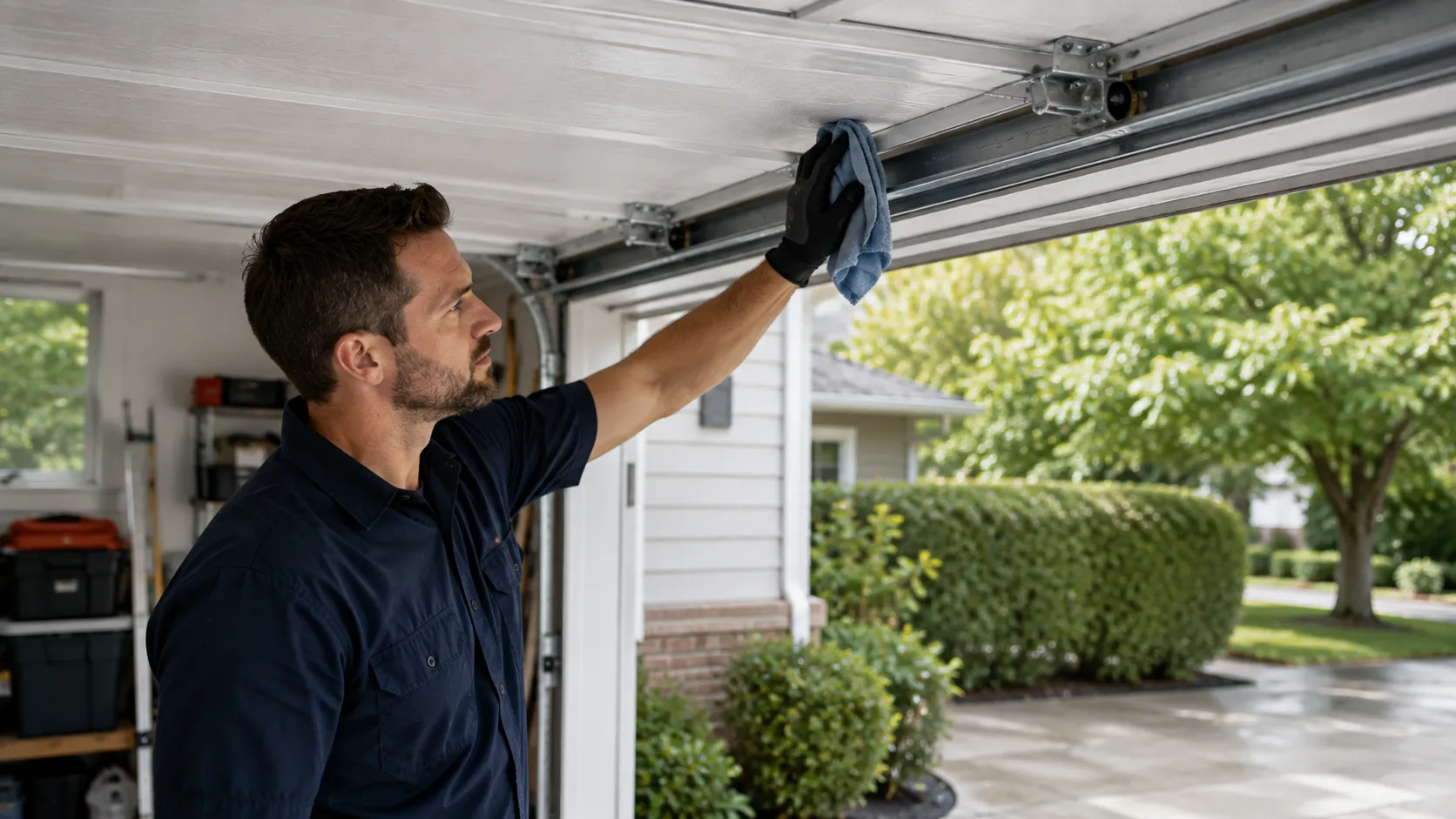
A torsion spring under tension will put a grown adult through a wall if it's wound or unwound wrong, and that risk doesn't change because the door is thirty years old versus three. If your door is from that 1963-2002 stock and the spring has already let go, that's not a project for a Saturday - the winding cones on older hardware are often a different size than what's sold today, and guessing wrong means a second trip and a second charge.
Where DIY is fine: swapping a worn roller, lubricating hinges, tightening loose track brackets, replacing a broken pull cord on the opener. Where it isn't: springs, cables under tension, anything involving the torsion tube, or a bent track on a door heavy enough that two people can't lift it safely. If the opener is original to a house built in the 80s, the logic board and drive gear are also past their expected life, and a failed opener on an old door is often the moment to price a new opener against the cost of another emergency call.
How Local Conditions Play In
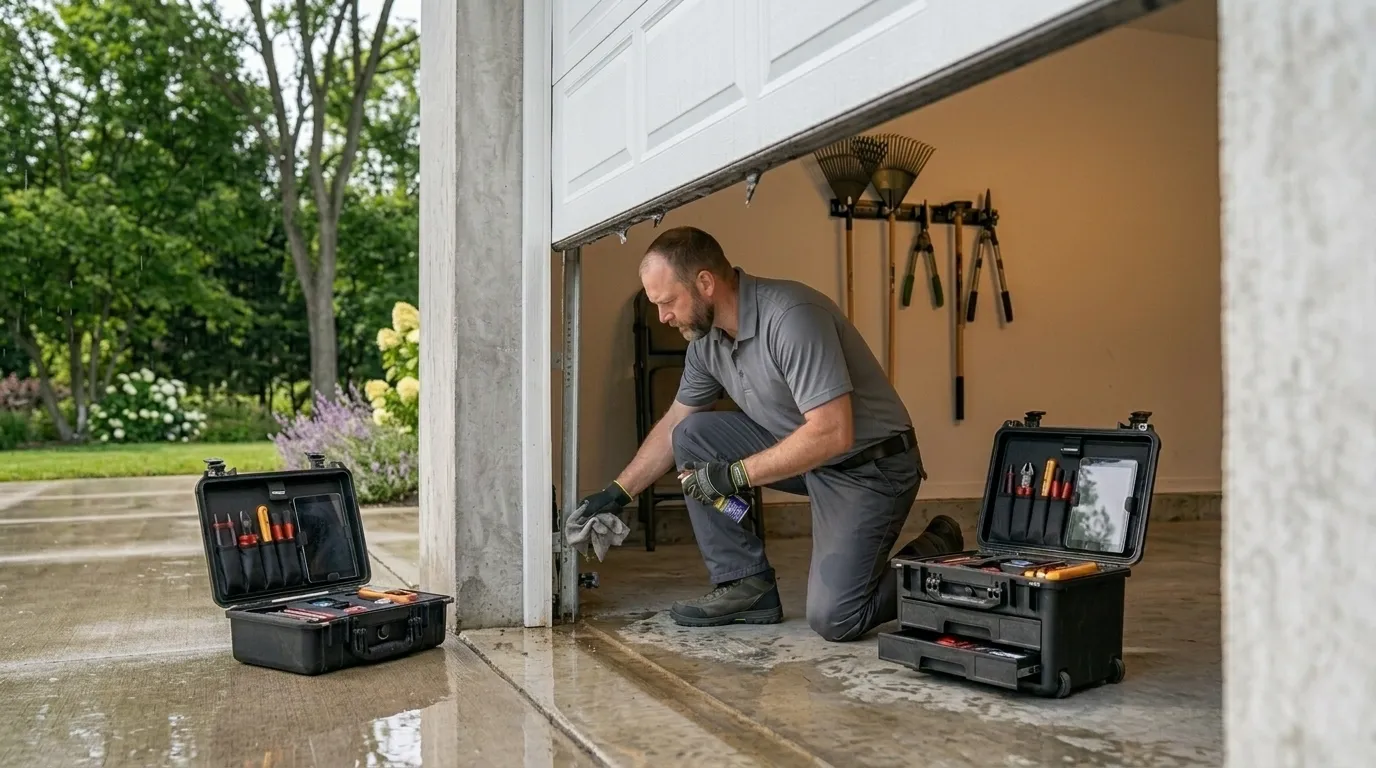
The climate band here is mild with occasional freezes, not the deep winter that snaps springs from thermal shock every year, but enough that a cold snap now and then is real. A spring that's already fatigued from decades of daily cycling doesn't need much of a push - one cold morning can be the difference between a door that's sluggish and one that's stuck. That's the pattern we see on doors from the older end of the 1963-2002 range more than on newer installs.
Humidity swings in this part of the Panhandle also work on hardware over time - not something we can quantify without a reading on your specific door, but it's part of why a 1980s-era steel door with original hinges is a different repair conversation than a 2005 door. With median household income in the area at $68,522, most owners here are weighing a repair bill in the low hundreds against a replacement door that runs well into four figures - and for a door that's structurally sound, repair usually wins that math.
Leaving It Alone
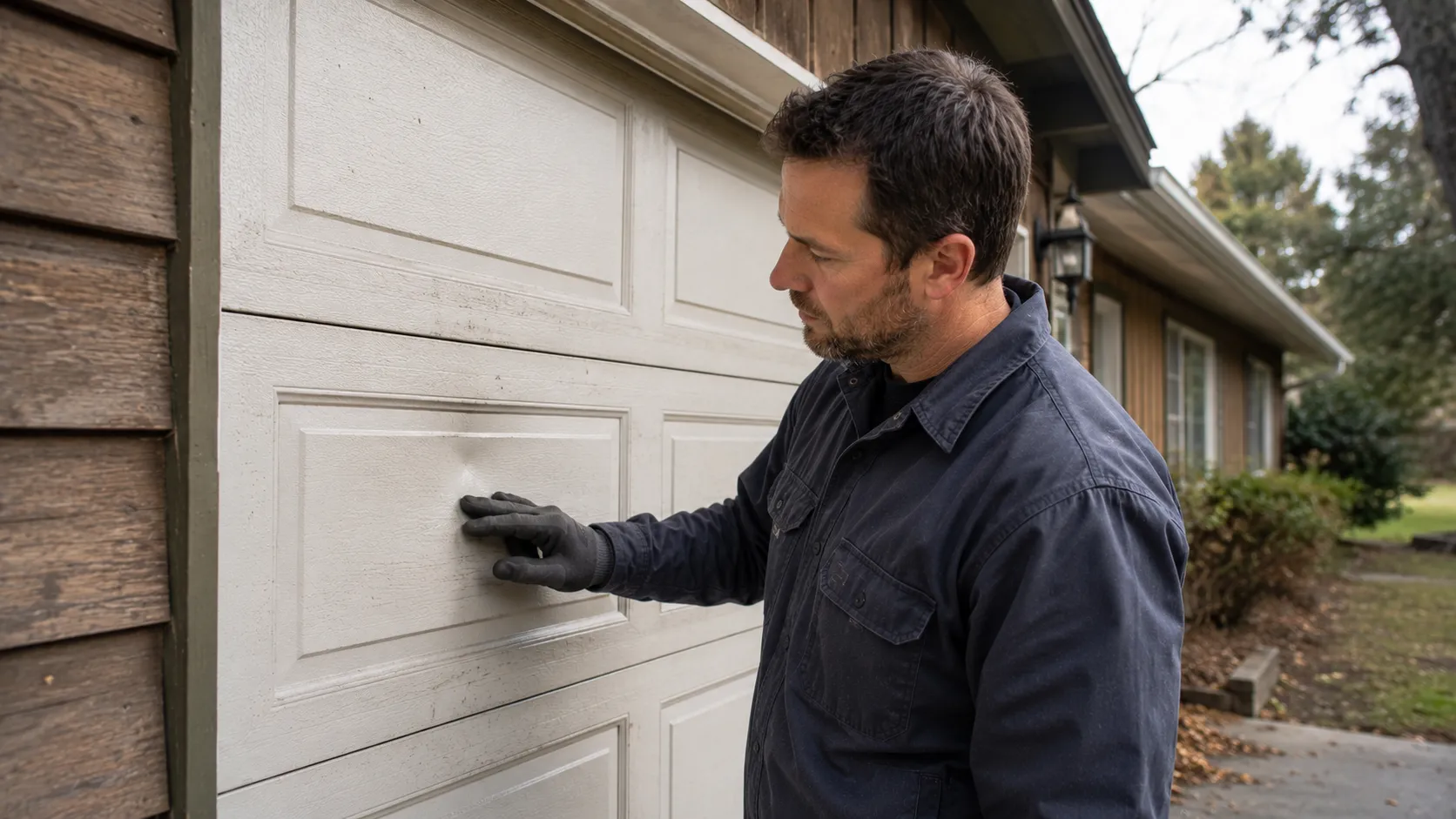
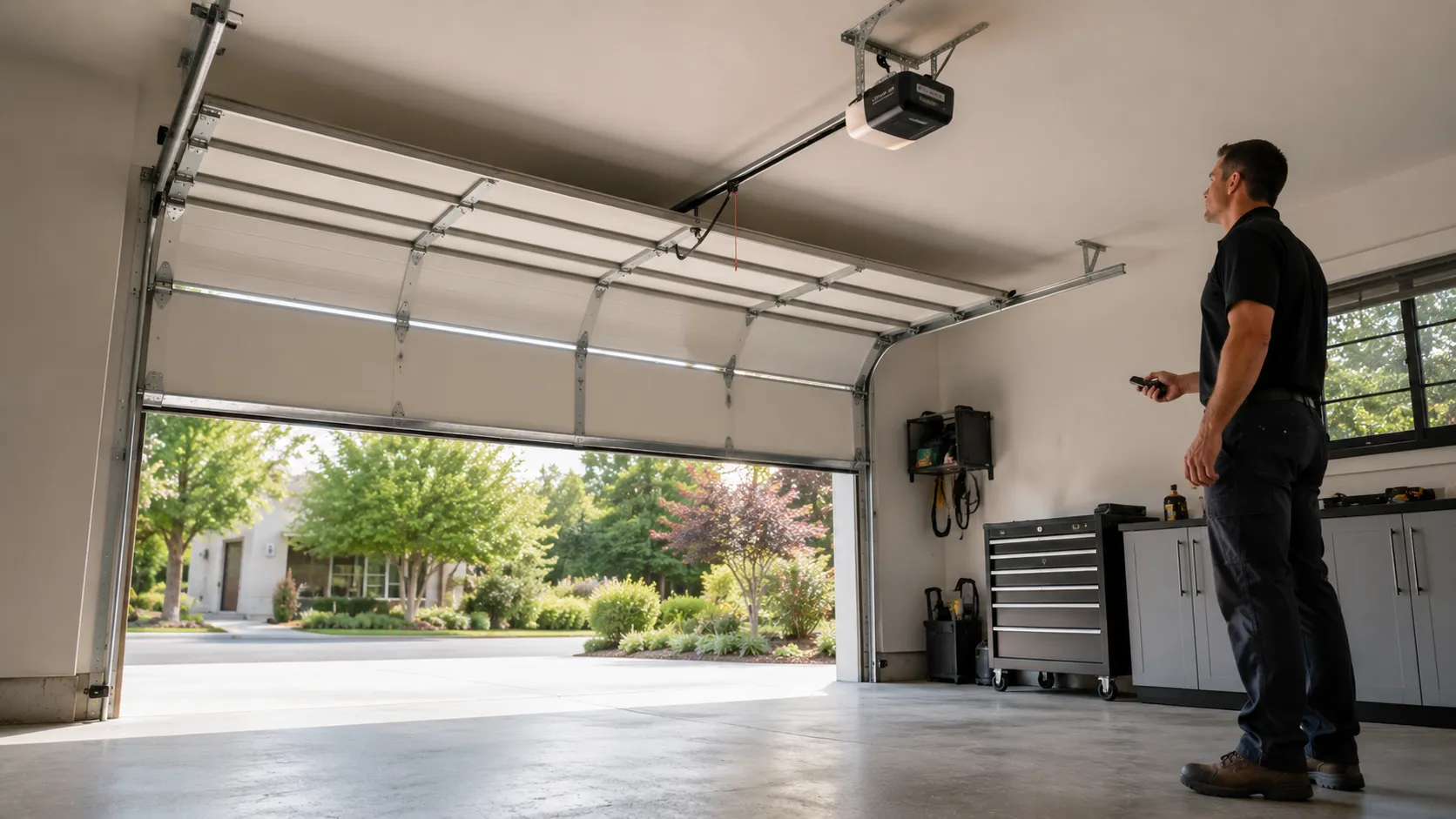
Here's the honest limitation: not every older door is worth saving, and we won't tell you it is just to get a smaller job. If the panels are rusted through at the bottom, if the door is warped enough that it binds in the track no matter how many times you adjust it, or if replacement parts for a specific door line simply aren't made anymore, repair becomes a short-term patch on a door that's going to fail again in a year. That's a real replace-it conversation, not a repair one.
What we won't do is quote a repair on a door we don't think will hold, just to save you money today at the cost of another call in six months. If your door is part of that 1963-2002 stock and still running true - tracks straight, panels solid, opener working - it's almost always worth fixing rather than replacing. If it isn't, we'll say so on the same visit instead of running up the bill first.
How We Can Help
Garage Door Repair
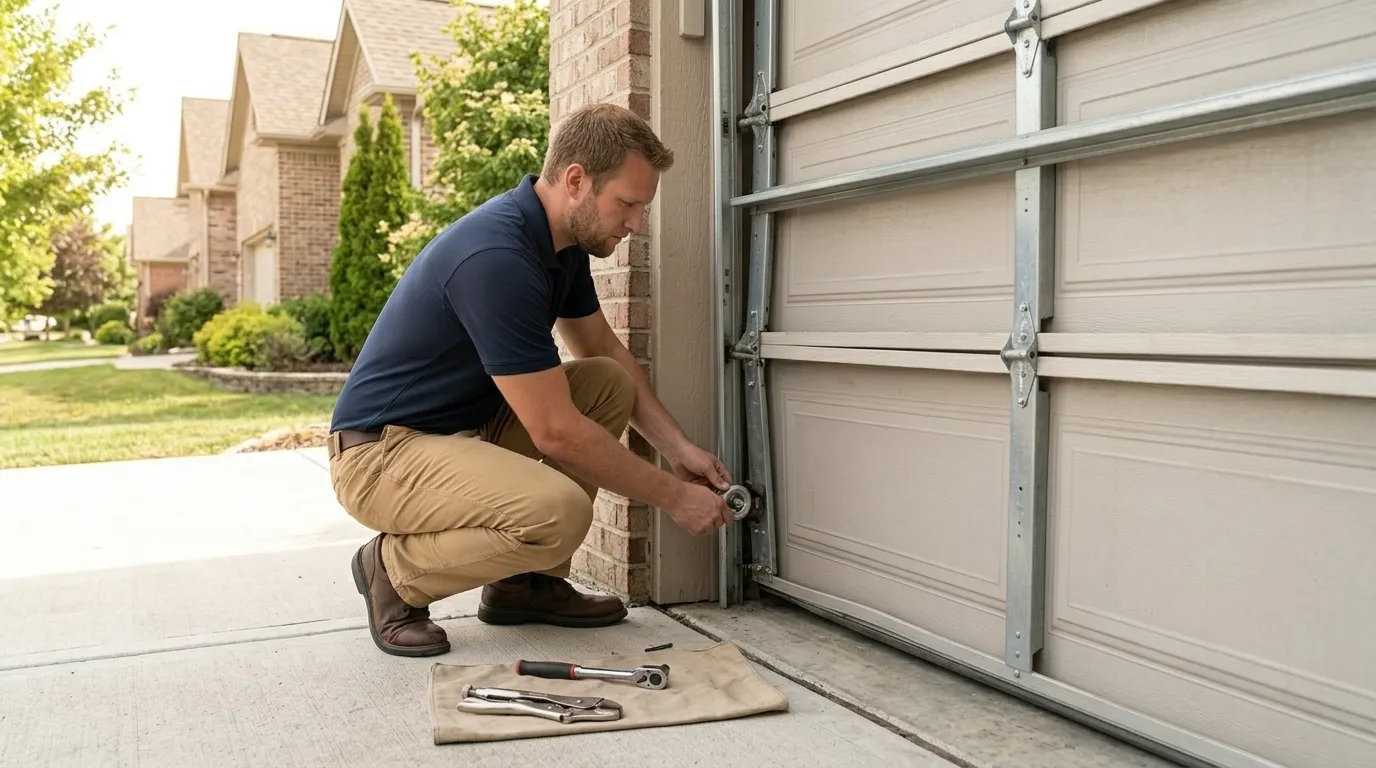
Springs, cables, tracks, rollers, and openers fixed by a tech who explains the problem before touching anything.
Learn more →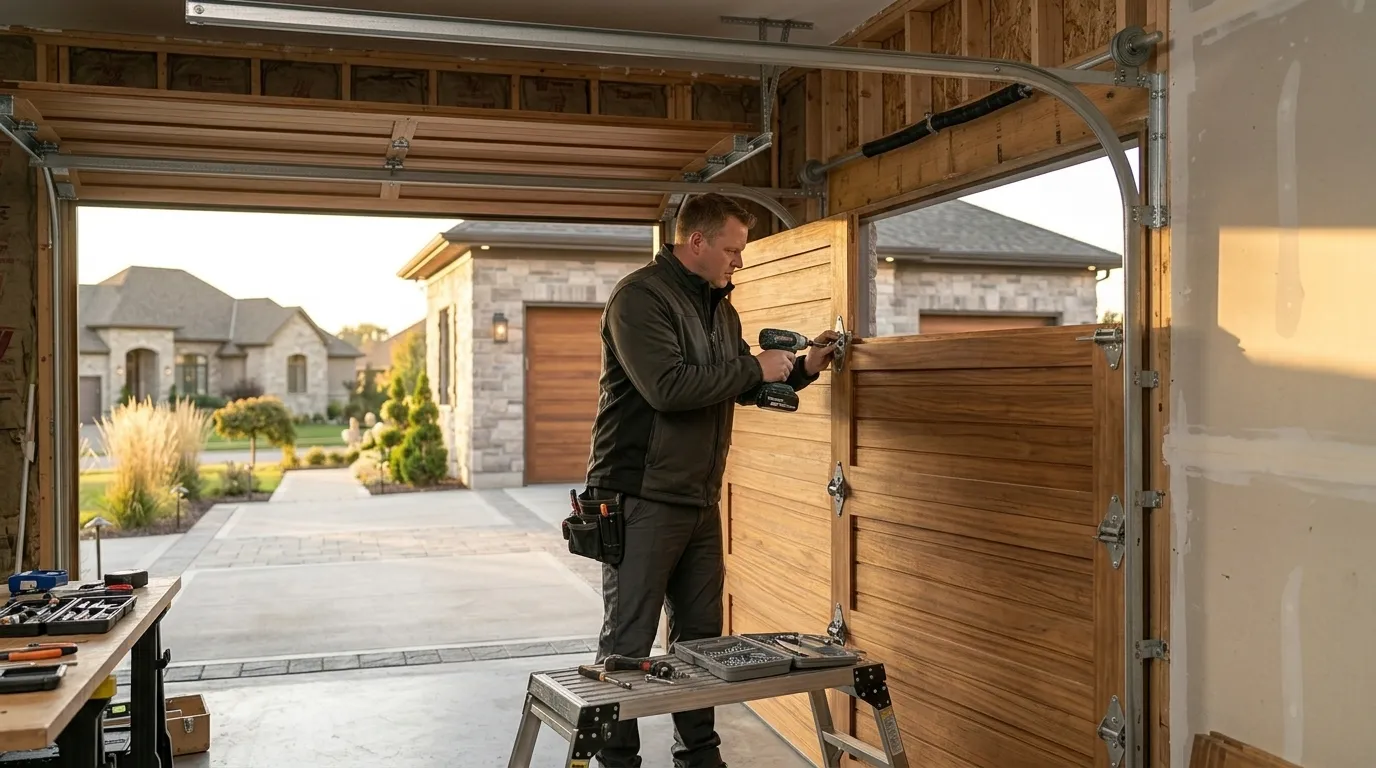
Garage Door Installation
New sectional doors sized and installed for the housing stock actually built in this area.
Learn more →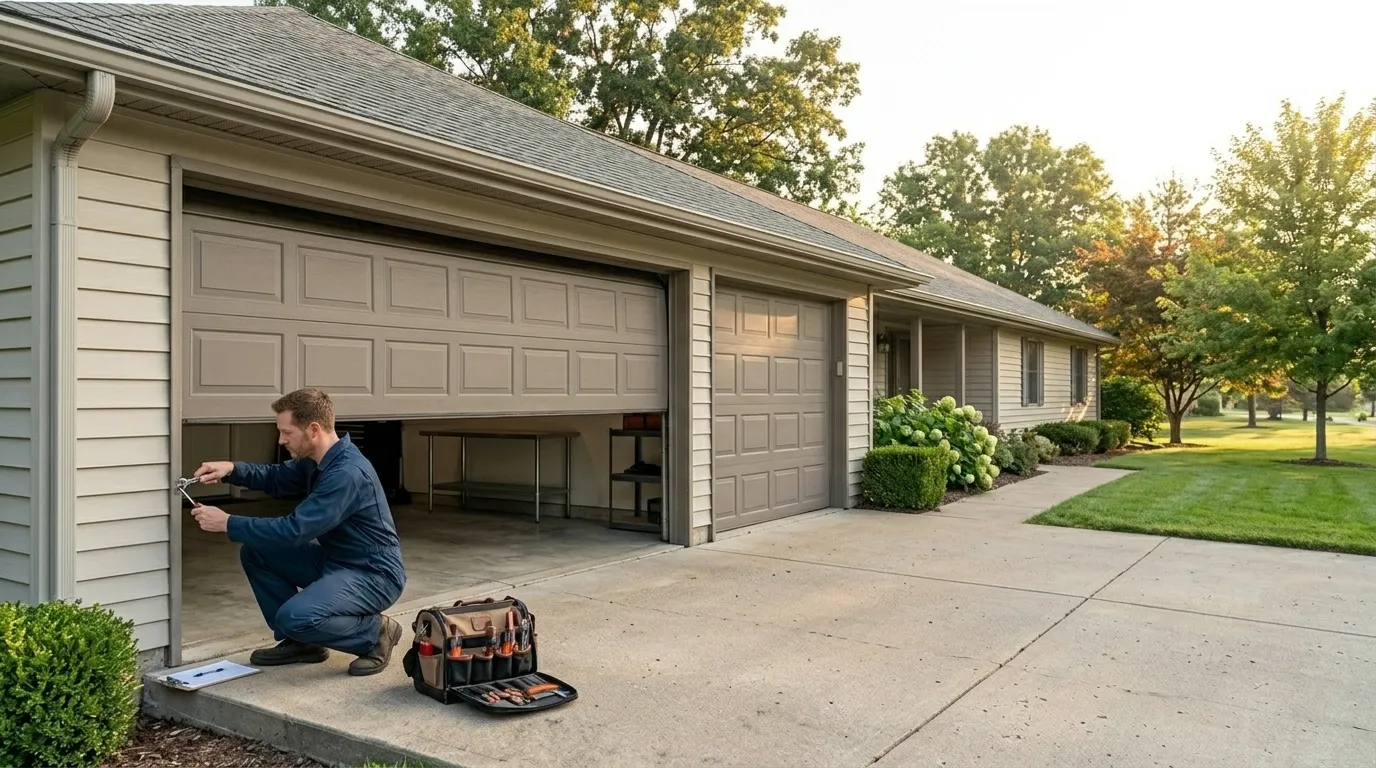
Garage Door Service
Tune-ups, lubrication, and safety checks that catch a small problem before it becomes a service call.
Learn more →Frequently Asked Questions
Is my garage door too old to repair?
Age alone doesn't decide it. Doors from the 1963-2002 stock common in this area can run fine for decades if the panels and track are straight. What matters more is condition: rust through the steel, warped panels, or a track that won't hold alignment mean replacement makes more sense than another repair.
Why did my spring break with no warning?
Torsion and extension springs have a cycle life, and most fail after years of daily use rather than from one event. In a climate with occasional freezes like ours, a cold morning can be the final push on a spring that was already near the end of its life from age and use.
Can I replace a torsion spring myself?
We'd rather you didn't. A wound torsion spring holds enough force to cause serious injury, and older doors sometimes use winding cones sized differently than current stock. Rollers, hinges, and lubrication are fine DIY jobs. Springs and cables under tension aren't.
Should I replace the opener along with the door?
Not automatically. If your door is structurally sound and the opener is original to a house from the 80s or 90s, the opener may be the weaker link and worth replacing on its own. We'll test both before recommending you spend on either.
Have a Door That Needs a Second Opinion?
Call and describe what it is doing - we will tell you what it likely is.