
Service
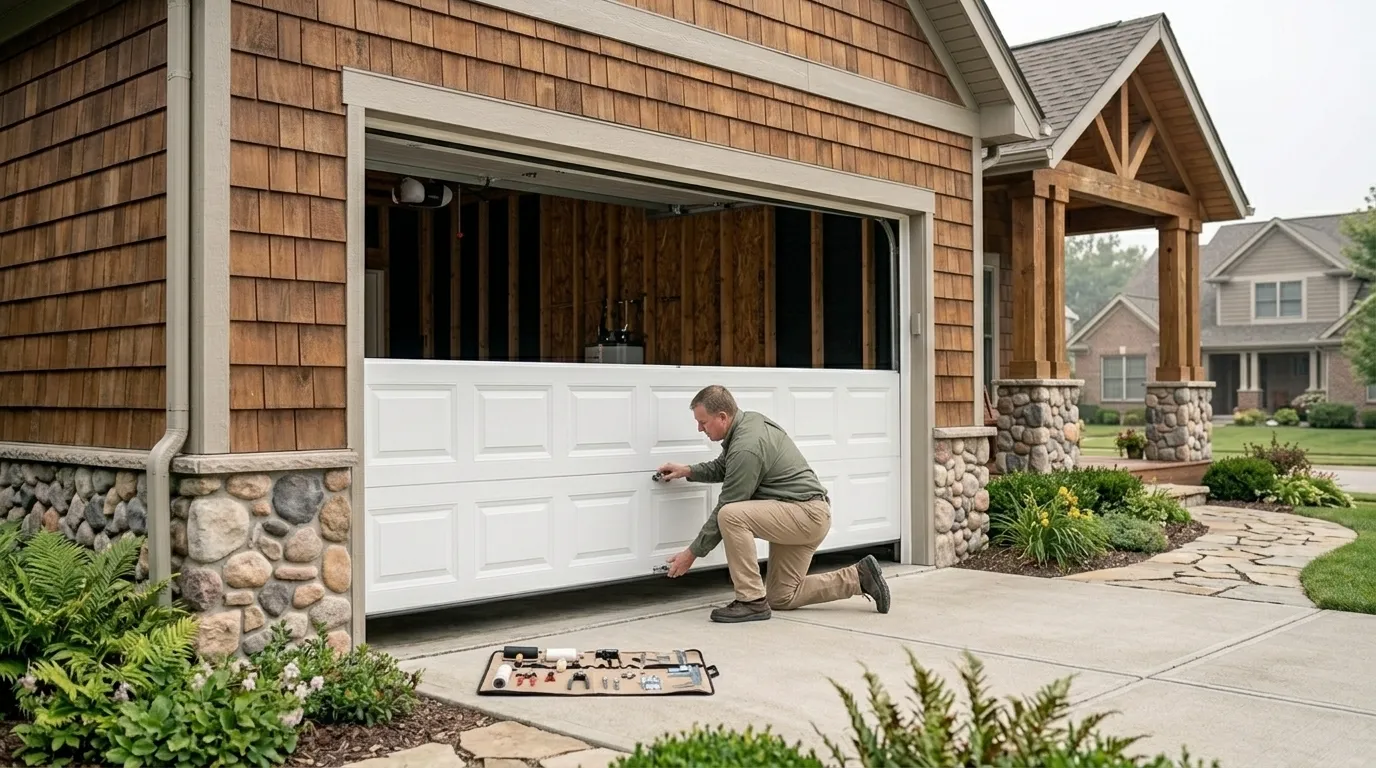
What a New Garage Door Install Looks Like in Pensacola
Pensacola homes from the 1963-2002 building boom face mild coastal humidity that wears springs and tracks faster. Here's what a new install costs and takes.
- Licensed & Insured
- Same-Area Service Calls
- Upfront Pricing
Why This Fails Locally
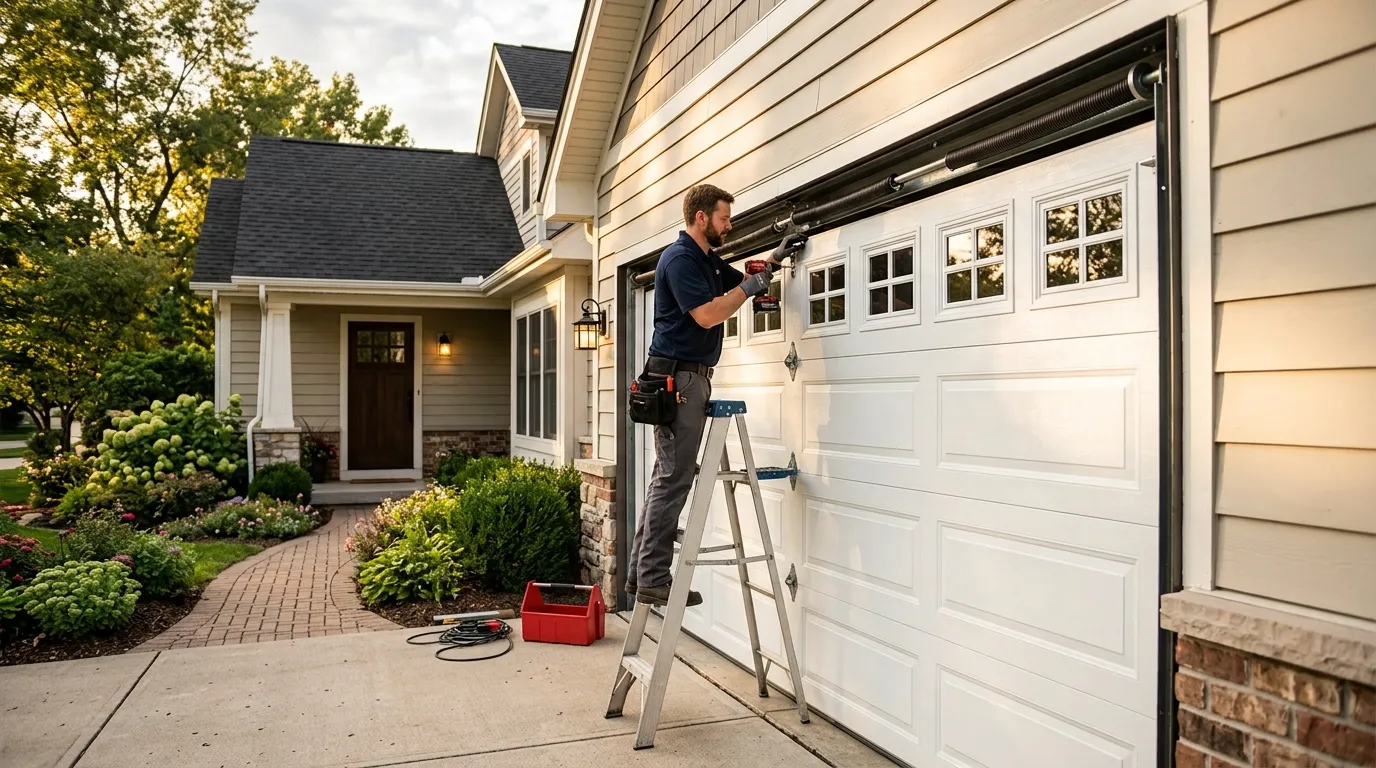
Most of the housing across this service area went up between 1963 and 2002, with the heaviest concentration of that stock built in the 1980s and 90s. That matters because a lot of those original doors, tracks, and openers are still hanging on garages that are pushing 30 to 60 years old. Steel panels from that era weren't galvanized the way current stock is, and the torsion hardware sized to those door openings doesn't always match what's on the shelf today.
The climate band here is mild with occasional freeze, which sounds easy on a door compared to a true winter climate, but it isn't. You get long stretches of coastal humidity that swells wood-composite panels and gums up roller tracks, then a hard freeze snap a few times a season that makes brittle plastic idler pulleys and old nylon rollers crack instead of flex. It's the swing between the two, not either extreme alone, that ages hardware faster than the door's rated lifespan would suggest.
So when a door starts binding or an opener starts straining, it's rarely one bad part. It's usually 30-plus years of humidity cycling meeting a freeze snap on hardware that was never rated for either extreme on its own.
What You Are Seeing
On a door from the 1963-2002 building era, the first sign is usually a track that's gone slightly out of plumb - the door catches on one side going up, or the opener strains and reverses partway through the cycle. That's original track hardware shifting on a foundation that's settled over decades, not a defect in the door itself.
You'll also see panel warp on doors facing full sun for years, especially on the older wood-composite and thin steel styles common in the 1980s-90s stock across this area's subdivisions. Rust starts at the bottom panel first, where humidity sits longest after a wet stretch, and it works upward along seams.
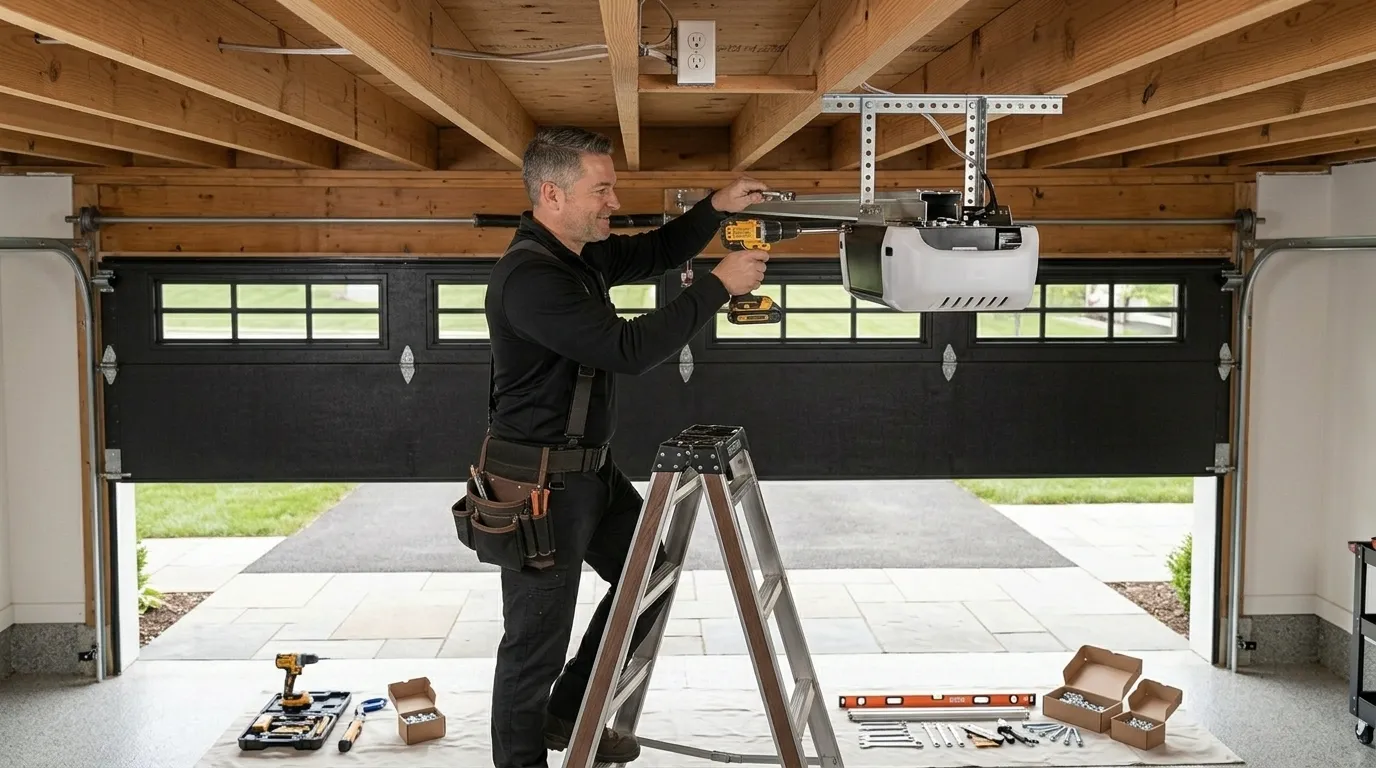
Springs are the other common failure. A torsion spring sized for an opening built decades ago is rarely a stock item anymore, so when one snaps, matching it means either a custom order or an upgrade to current hardware sized for the same rough opening. Openers from that era running on chain drive with no battery backup tend to just quit - no warning, no error code, they simply stop responding.
None of this means the door is unsafe to leave alone for a day or two while you sort out a plan. It does mean waiting rarely makes the fix cheaper.
What It Costs
We're not going to hand you a number here that isn't grounded in your actual door - opening size, material, insulation, and whether the opener needs replacing too all move the price more than any single factor. What we can tell you is how the area's numbers shape the decisions we see homeowners make.
Median household income across the service area sits at $68,522, and that number shows up in the repair-versus-replace conversation constantly. A lot of owners here get a spring or a section replaced once, sometimes twice, before deciding a full install makes more sense than continuing to patch hardware built for a door style from the 1963-2002 era. That's not a bad strategy - it's just one worth knowing going in.
The honest limitation: we can't quote a firm number without seeing the opening and the current track condition in person. A double-wide door needs different spring counts and different labor than a single, and a custom-sized opening from an older subdivision can cost more simply because the parts aren't a standard stock size anymore. Anyone quoting a flat number sight-unseen for a door in this area is guessing.
How Long You Are Without the Door
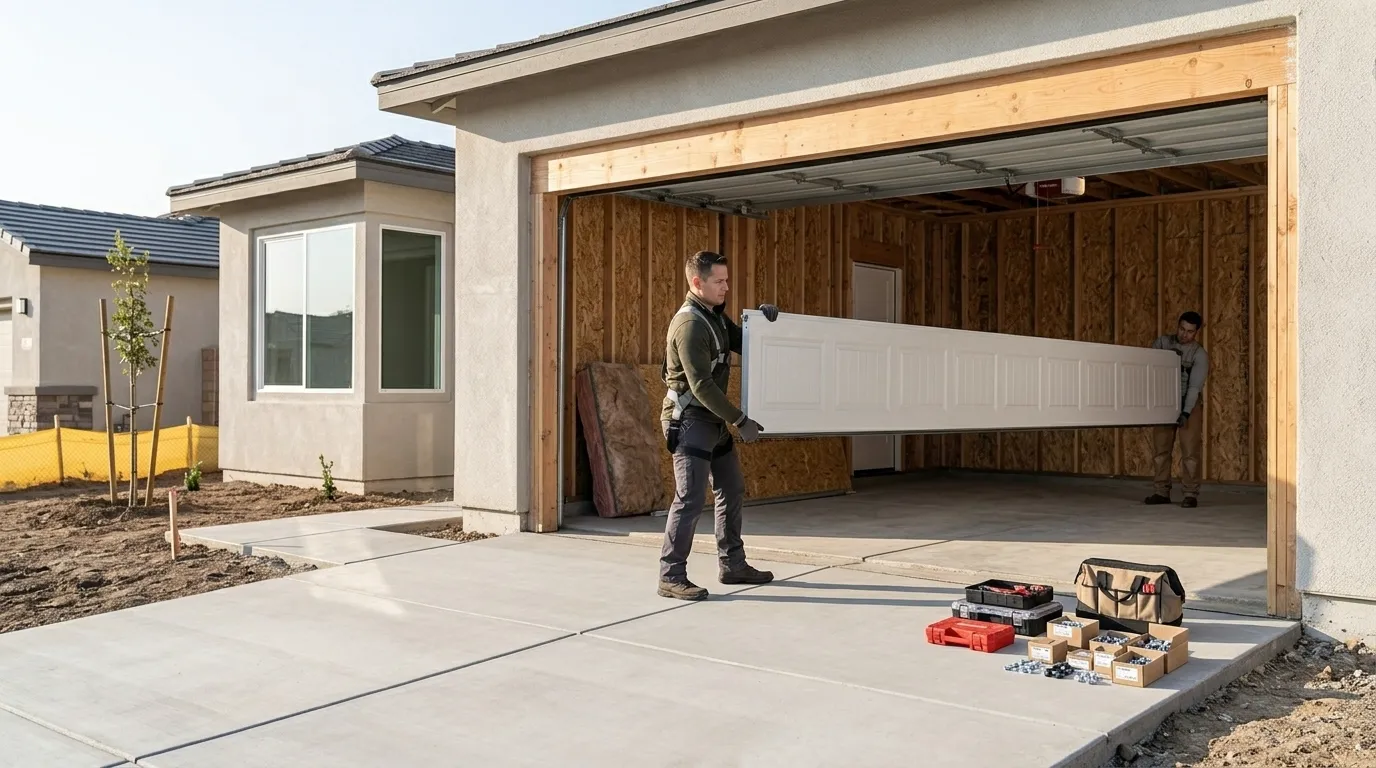
Timeline depends almost entirely on whether your door is a standard modern size or one of the custom or discontinued sizes still common on houses built in the 1963-2002 window. Standard single and double doors are usually stocked and can go in without much delay. Older custom openings, or track hardware that doesn't match anything currently manufactured, sometimes means an order and a short wait before the install itself happens.
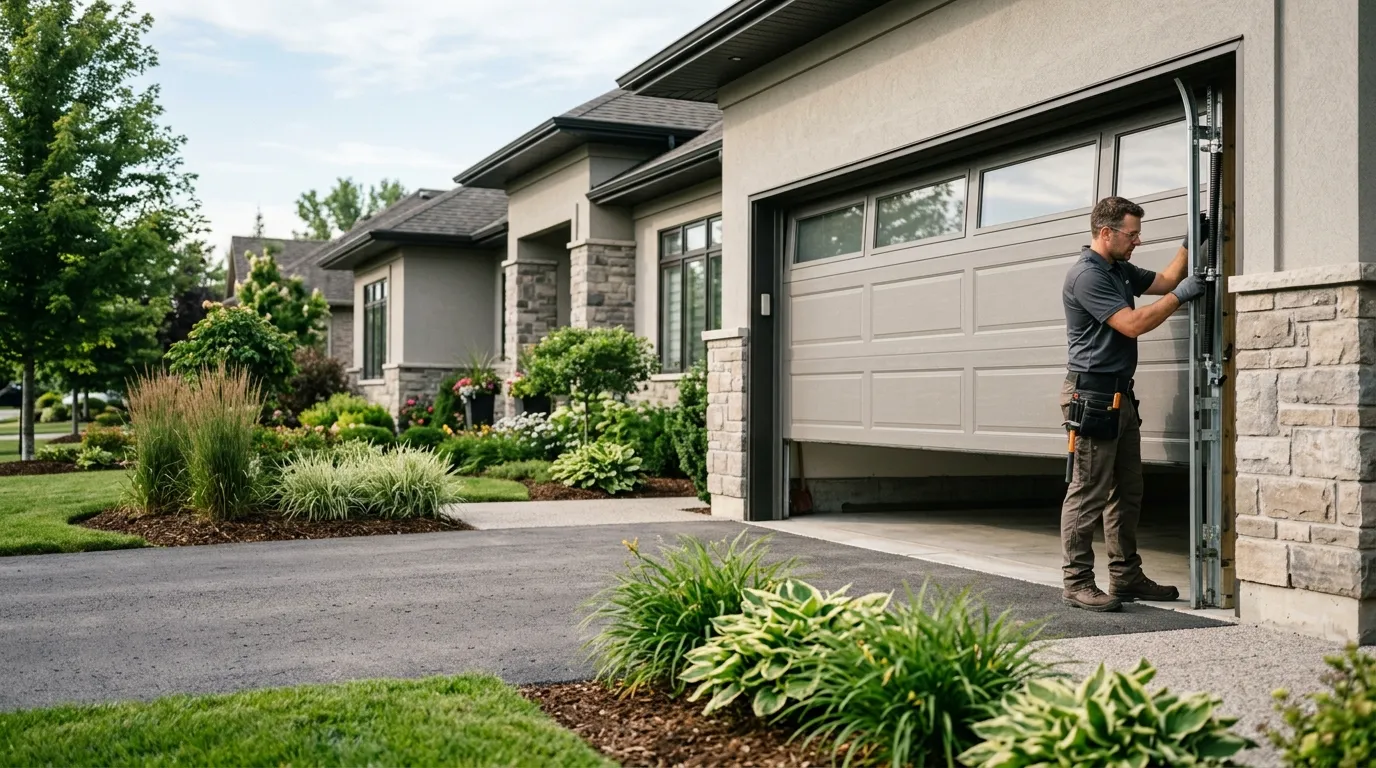
The install day itself is usually a matter of hours once the door and hardware are on site - removing the old panels and track, setting new track plumb, hanging panels, and balancing the spring system. Opener swaps add time if the old wiring or mounting doesn't match current units.
The part we won't sugarcoat: if your opening is non-standard, the parts lead time is the real variable, not the labor. We'd rather tell you that up front than promise a same-day turnaround we can't back up for every door in this area. A standard-size door on a house near Goulding or Brent moves faster than a custom opening from an older Ferry Pass or Bellview build, simply because of what's sitting on a supplier's shelf that week.
Why Pensacola Calls Us
What Happens When You Call
Call or Request a Quote
Tell us what the door is doing and roughly how old the house is - that alone points us toward the likely part before a truck leaves.
On-Site Diagnosis
A tech checks the spring, cables, tracks, and opener in person and tells you plainly what is actually wrong.
Straight Price, No Surprises
You get a number before any work starts. It covers parts and labor, nothing added after the fact.
Fixed the Same Visit
Most repairs are done in one trip. If a part needs sourcing, we tell you that upfront instead of guessing.
Talk to a Technician Before You Book
Describe what the door is doing and get a straight answer on what it likely needs.
Jobs Like Yours
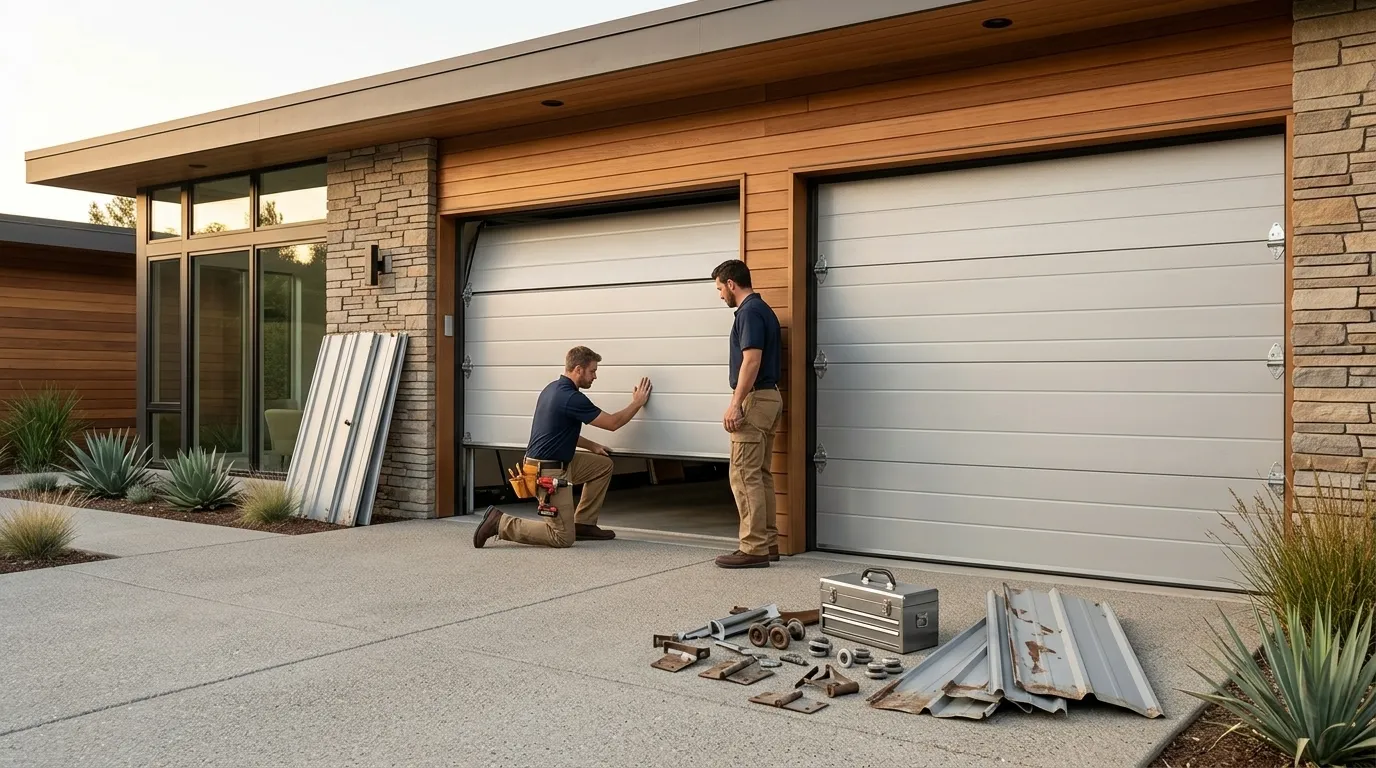
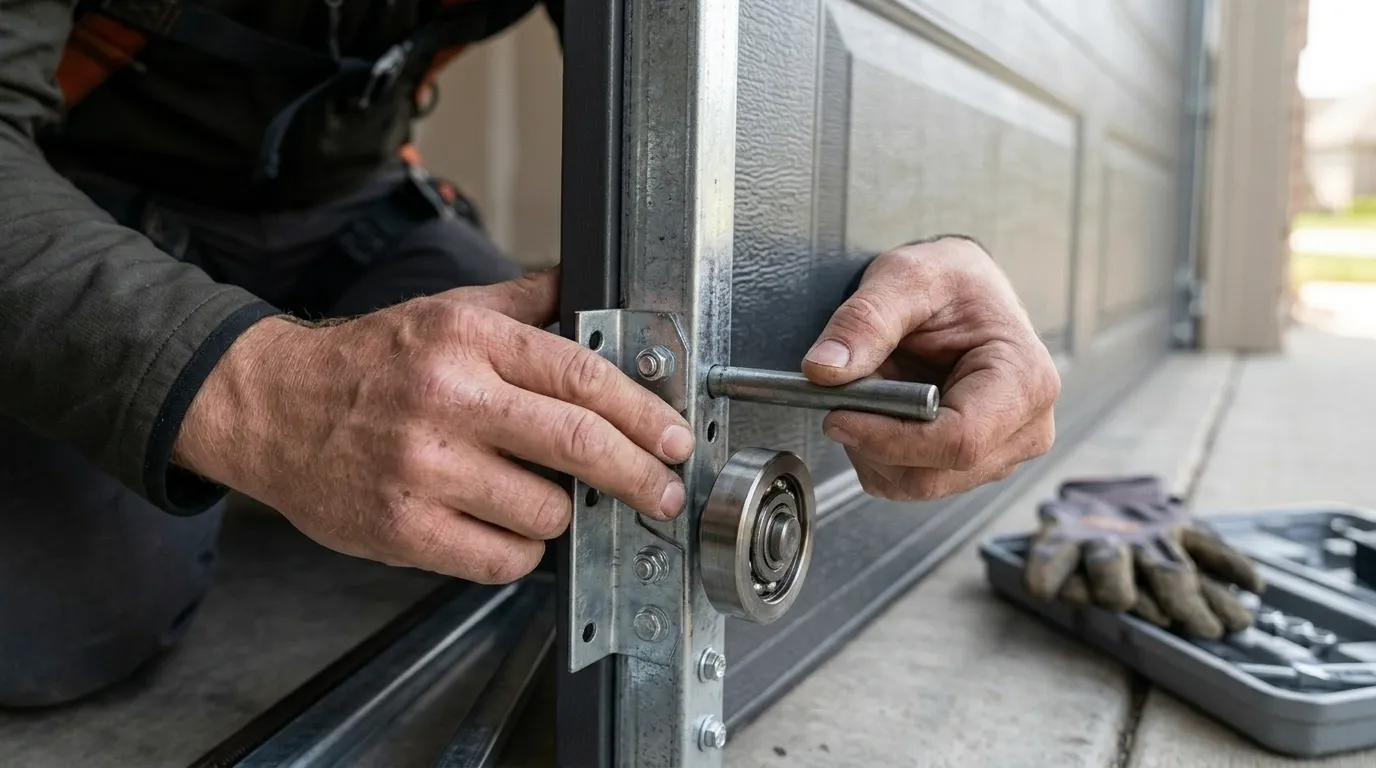
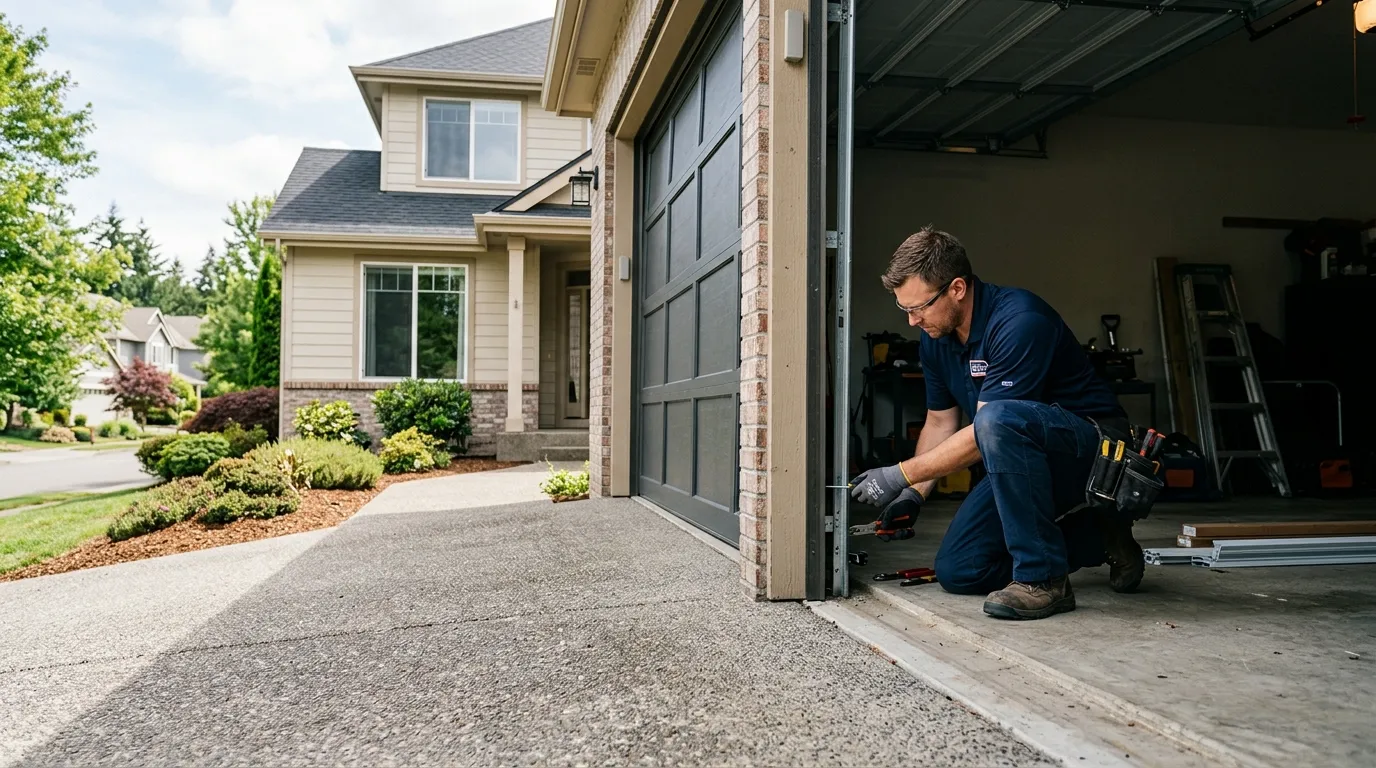
Recent work from this service line.
Other Ways We Can Help
Frequently Asked Questions
Why do garage doors in Pensacola wear out faster than the door's rated lifespan suggests?
It's the humidity-to-freeze cycle more than either extreme alone. Long humid stretches swell composite panels and gum up tracks, then an occasional hard freeze makes older plastic and nylon parts crack instead of flex. Combined with hardware that's often 30-plus years old from the area's 1963-2002 building boom, that cycling adds up faster than a straight age comparison would show.
Is it worth repairing an old door instead of replacing it?
Often yes, especially the first time a spring or roller fails. Once you're replacing a second or third component on a door built to a decades-old opening size, a full install can end up cheaper than sourcing another custom part. We look at the actual hardware before recommending either path.
Can you match the hardware on an older Pensacola-area house?
Sometimes it means a custom order rather than a stock part, since torsion springs and track sized for openings common in the 1980s and 90s aren't always standard sizes anymore. We'll tell you upfront if your door needs a special order instead of promising a same-day fix we can't deliver.
Does the coastal climate here affect what door material makes sense?
Yes. With a mild climate that still sees occasional freeze snaps, steel with a decent coating holds up better against humidity-driven rust than older wood-composite panels do, without needing the heavy insulation you'd spec for a true cold-winter region.
Need What a New Garage Door Install Looks Like in Pensacola?
Call now for straight answers on cost and timing.