
Opener Installation in Pace
Opener Installation for Pace's 1990s Housing Stock
Pace homes mostly went up around 1995, a decade newer than the region's 1985 median - which means different opener hardware and different failures. Here's what that means for your install.
- Licensed & Insured
- Same-Area Service Calls
- Upfront Pricing
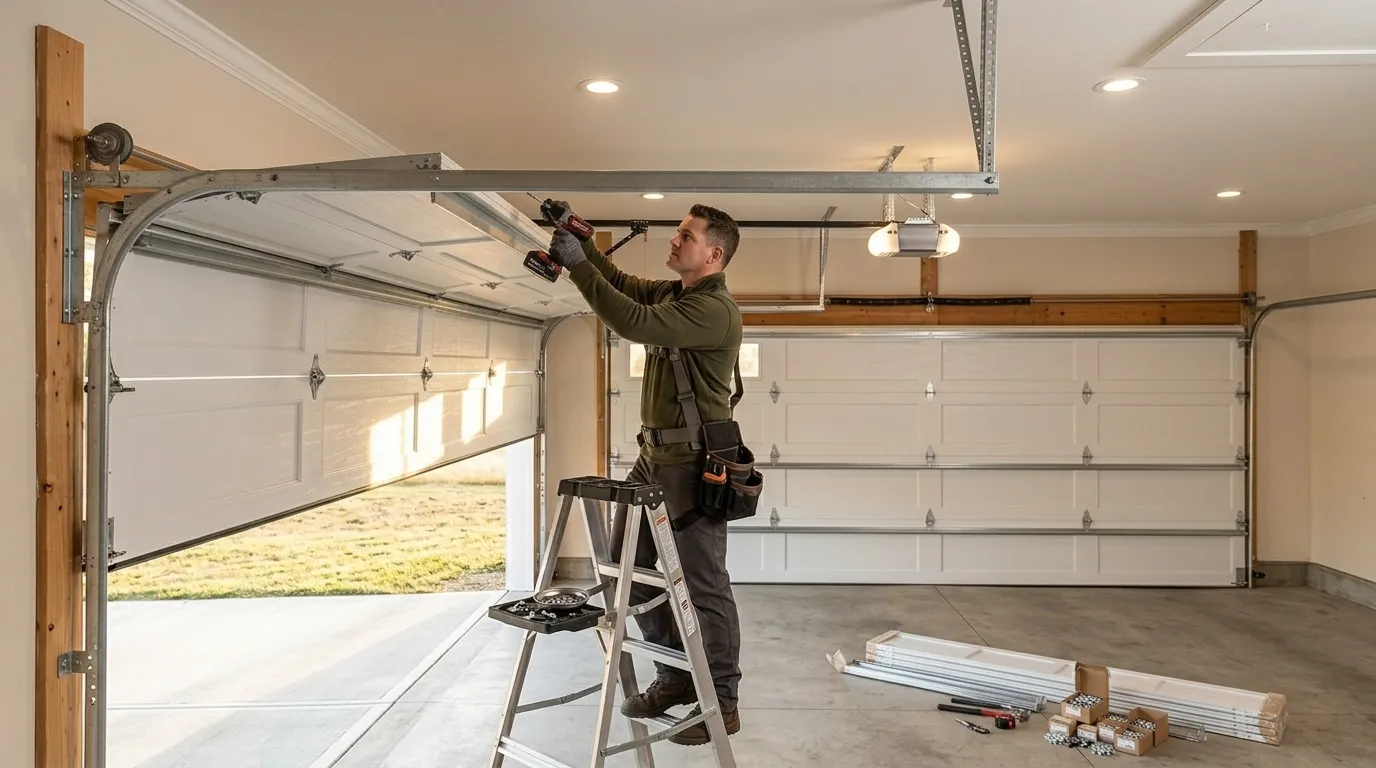
What Happens When You Call
-
1
Call or Request a Quote
Tell us what the door is doing and roughly how old the house is - that alone points us toward the likely part before a truck leaves.
-
2
On-Site Diagnosis
A tech checks the spring, cables, tracks, and opener in person and tells you plainly what is actually wrong.
-
3
Straight Price, No Surprises
You get a number before any work starts. It covers parts and labor, nothing added after the fact.
-
4
Fixed the Same Visit
Most repairs are done in one trip. If a part needs sourcing, we tell you that upfront instead of guessing.
The Complications
Most of the region Pensacola Garage Door Pros covers has a median build year of 1985, but Pace runs later - typical houses here went up around 1995. That decade matters more than it sounds like it should. A house built in 1985 often got a bare-bones chain-drive opener with a mechanical pressure switch and no photo-eye at all, since the federal photo-eye mandate didn't land until 1993.
A house built in 1995 almost certainly shipped with a builder-grade opener that does have photo-eyes, but they're the first-generation kind - narrow beam, easily knocked out of alignment, and wired to a control board that doesn't talk to anything modern. When that board finally dies, the fix usually isn't a like-for-like swap. It's a full opener replacement, because nobody stocks parts for a 30-year-old builder unit anymore.
Pace also sits about 12 miles out from Pensacola, which doesn't change the install itself but does change the logistics - the crew is coming from town, not from a shop around the corner. That's worth knowing before you call, not after.
What It Costs
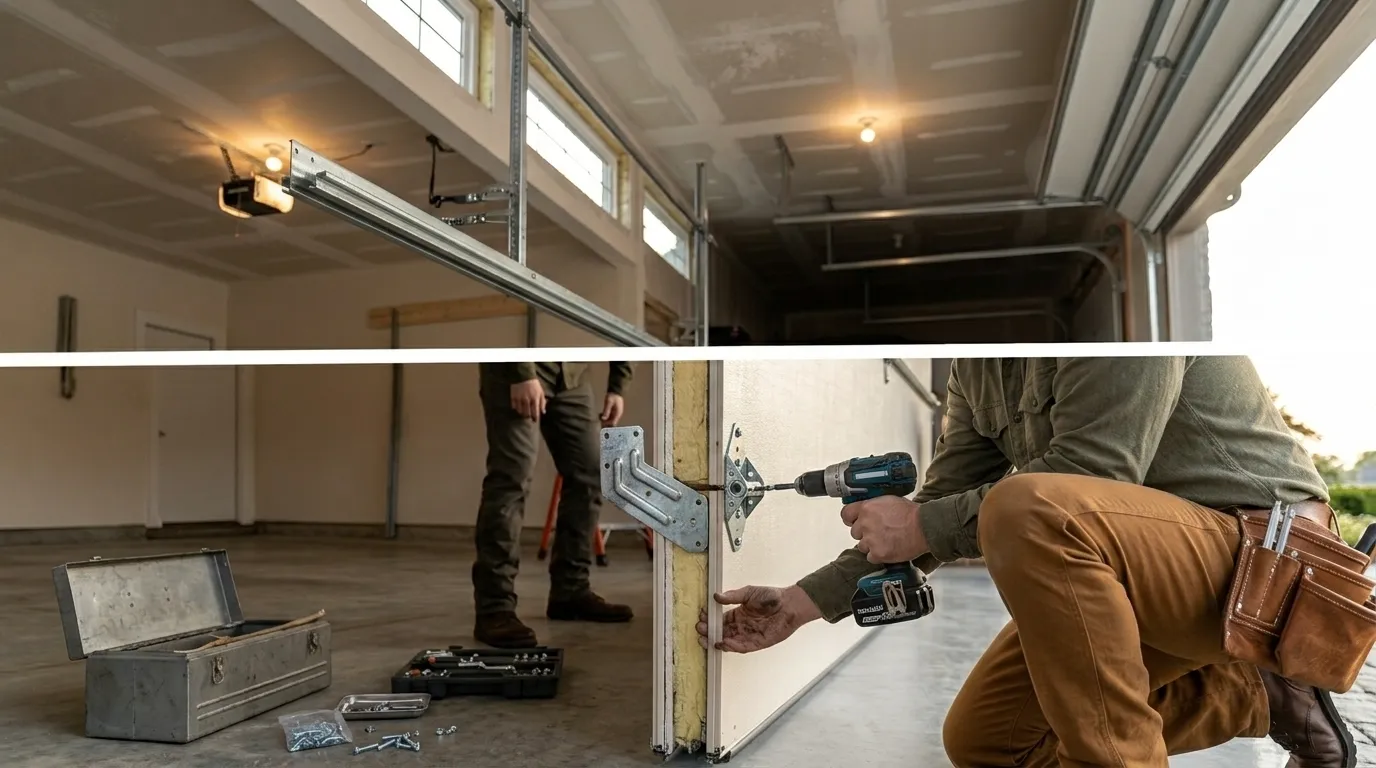
We don't have a flat number to give you here, and we're not going to invent one. What we can tell you is what moves the price: horsepower needed for the door's size and weight, whether you want chain, belt, or screw drive, whether you need battery backup (worth asking about given the area's occasional freeze events), and whether the old opener's mounting bracket and rail can be reused or need replacing outright. On a lot of 1995-era Pace houses, the ceiling bracket is still sound but the rail has sagged enough that it's not worth keeping.
That adds a line item most homeowners don't expect. Ask for a written breakdown before the job starts, not a lump figure.
What Is on the Truck
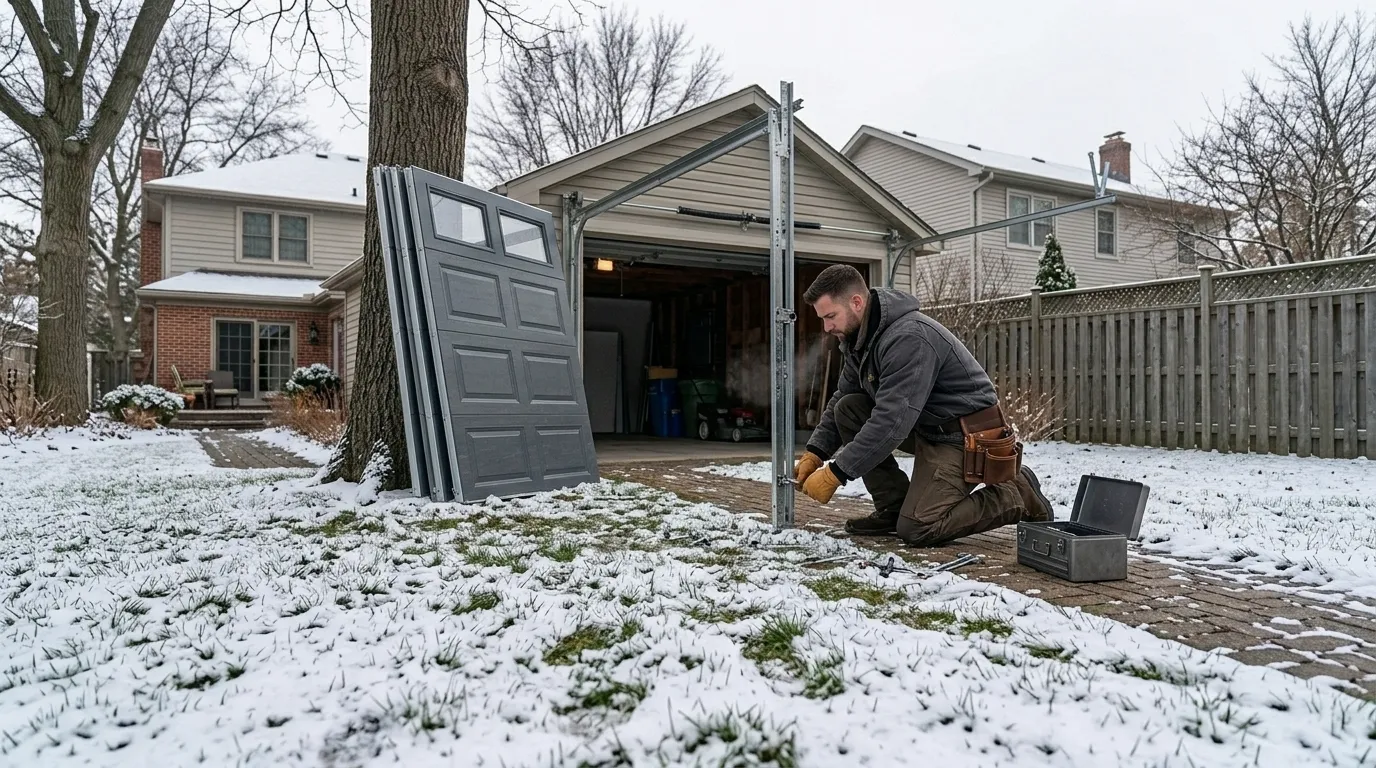
For opener installs, the truck carries a range of drive types rather than one default. Chain-drive units for garages where noise isn't a concern, belt-drive for anything attached to or near a bedroom, and screw-drive for openers that need less maintenance over time. We also carry battery backup units, which matter here given the mild-with-occasional-freeze climate this part of the Panhandle sits in - a hard freeze that trips a breaker shouldn't leave your door stuck shut.
We carry standard safety photo-eyes and mounting brackets sized for both older low-headroom setups and the taller openings more common in newer construction. What we don't carry is a fix for every proprietary builder-installed board - some of those from the mid-90s just aren't serviceable, and replacement is the honest answer, not a patch.
Can You Do This Yourself
You can install a garage door opener yourself if you're comfortable with electrical work, ladder work, and reading a torque spec correctly. The kits sold at hardware stores are built for exactly this. Where it gets harder in a house like the ones common in Pace is the leftover wiring from a 1990s builder-grade unit - some of those used a wall control wired directly into the opener's low-voltage terminals in a way current kits don't expect, and matching new to old wrong can burn out a control board on day one.
If your existing rail and bracket are original to a 1995 build, we'd also check the ceiling structure before assuming a new opener bolts straight on - fasteners from that era weren't always sized for today's heavier belt-drive units. When in doubt, that's a call, not a guess.
Why This Fails Locally
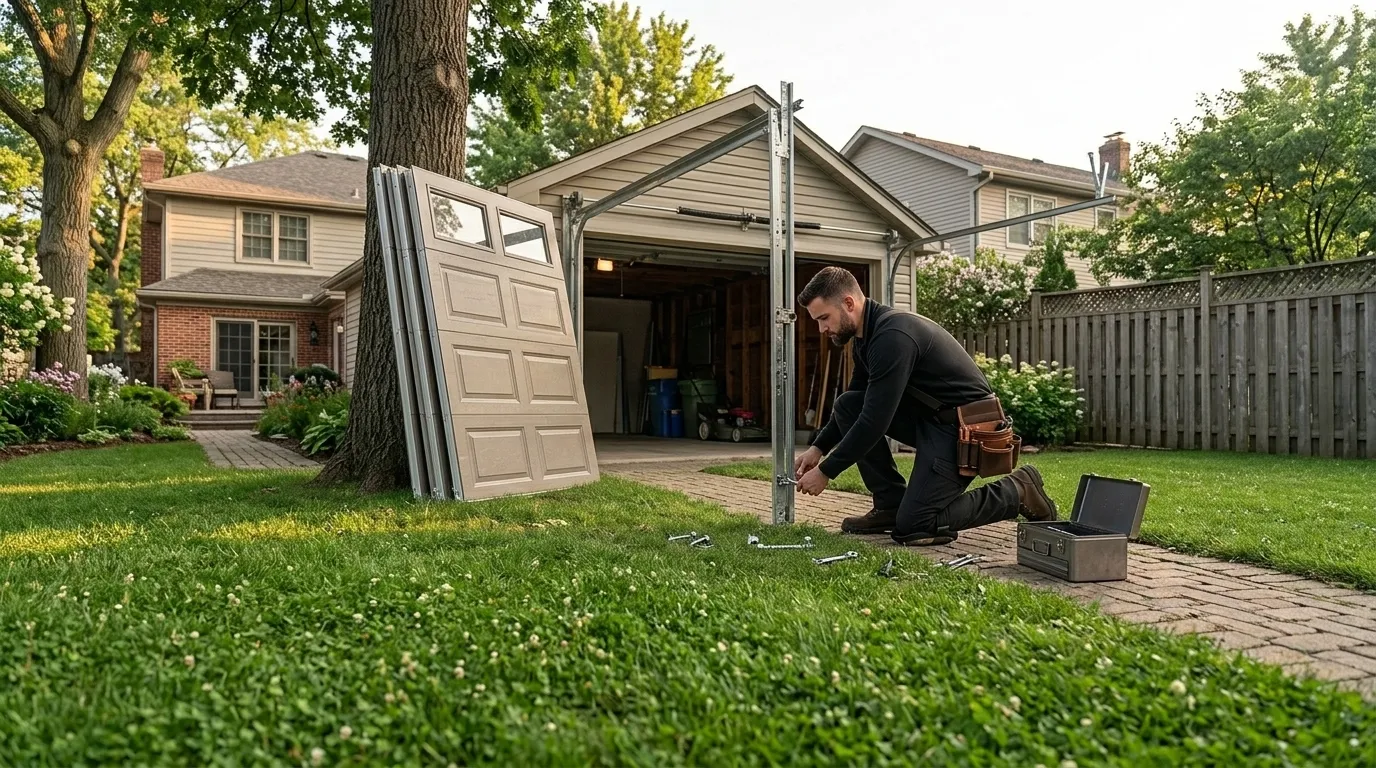
The Panhandle's climate band here is mild with occasional freeze, which doesn't sound severe until you own an opener with a nylon gear or a plastic chain-tensioner that was already thirty years old. Cold snaps make old lubricant stiffen and gears strip under load that they'd normally shrug off in July. Combine that with houses at the 1995 median age - old enough for original hardware to be failing, not old enough that most owners have already replaced it once - and you get a specific failure window: openers that worked fine last winter and won't open on the first hard freeze this one.
Humidity plays a role too. Steel rail and torsion hardware in this part of Florida corrode faster than the same parts would inland, and a corroded rail throws off the travel limits an opener depends on to know where the door is.
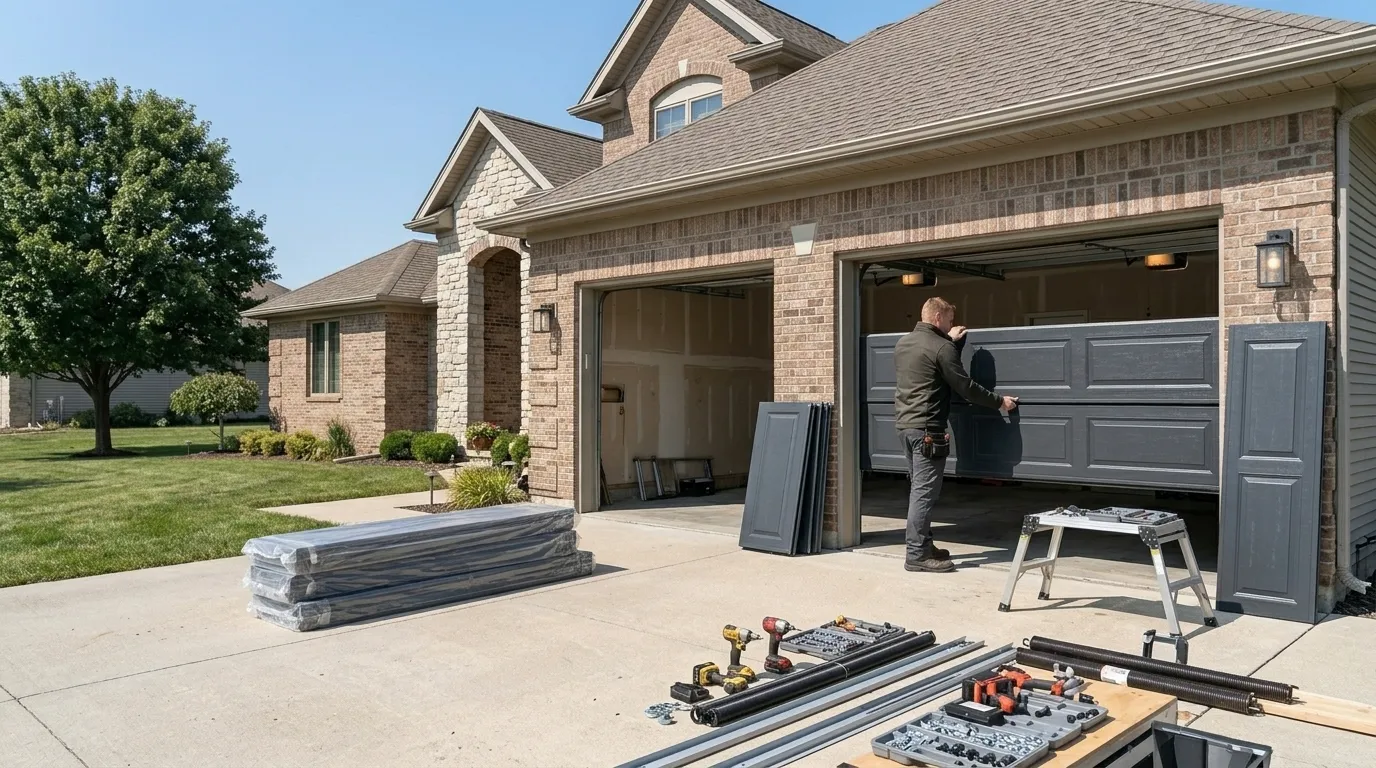
What You Are Seeing
If your opener runs but the door only opens partway, or reverses right before it hits the floor, that's usually a travel-limit or force-setting problem tied to a rail that's shifted with age - common on original 1990s installs. A motor that hums but doesn't move the door is almost always a stripped gear, and on a builder-grade unit from this era, that gear is often the first thing to go. If the wall button works but the remote doesn't, check the photo-eyes first - first-generation eyes from this build period drift out of alignment more than people expect.
A door that won't respond at all, no hum, no light, points to the board itself. On a 30-year-old opener, that's usually the point where repair costs more sense as replacement instead.
Talk to a Pace Technician First
Describe what the door is doing and get a straight answer on what it likely needs.
Other Garage Door Services in Pace
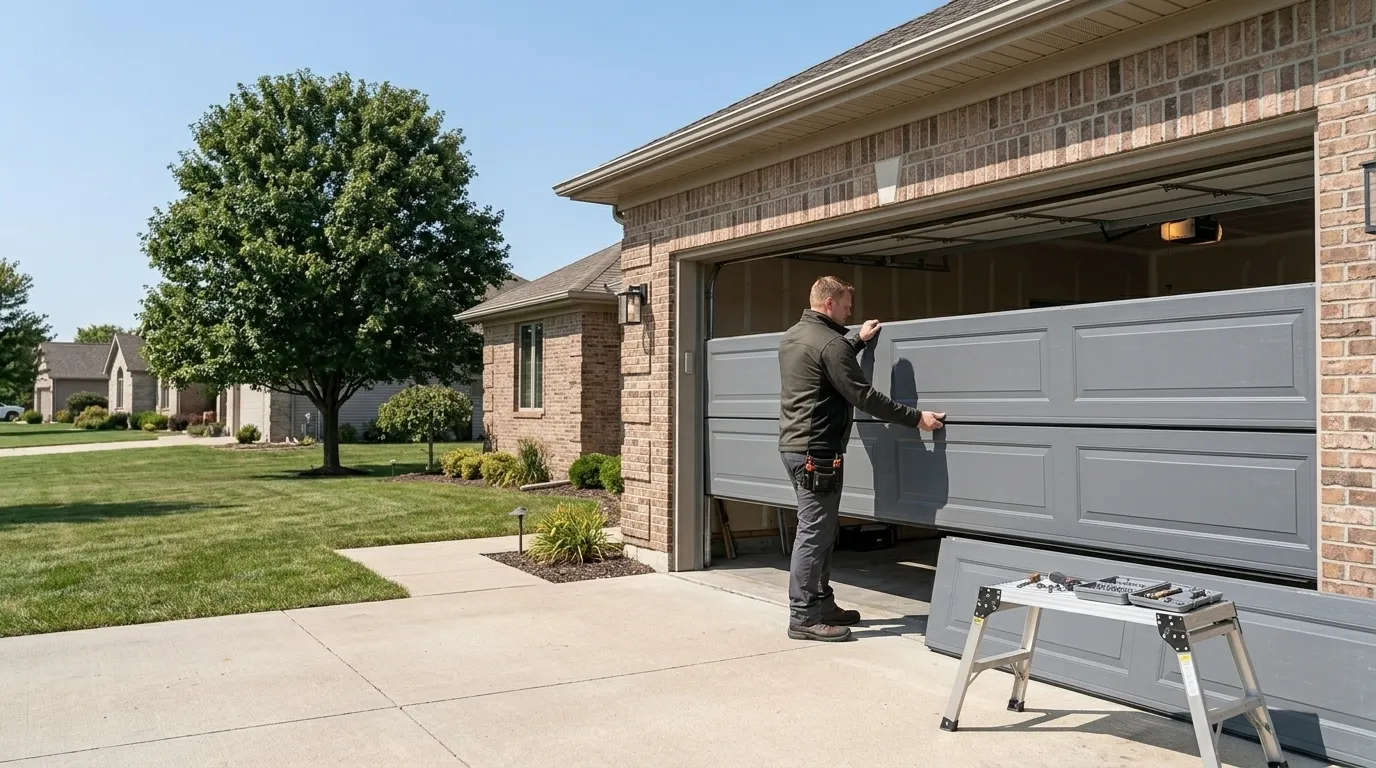
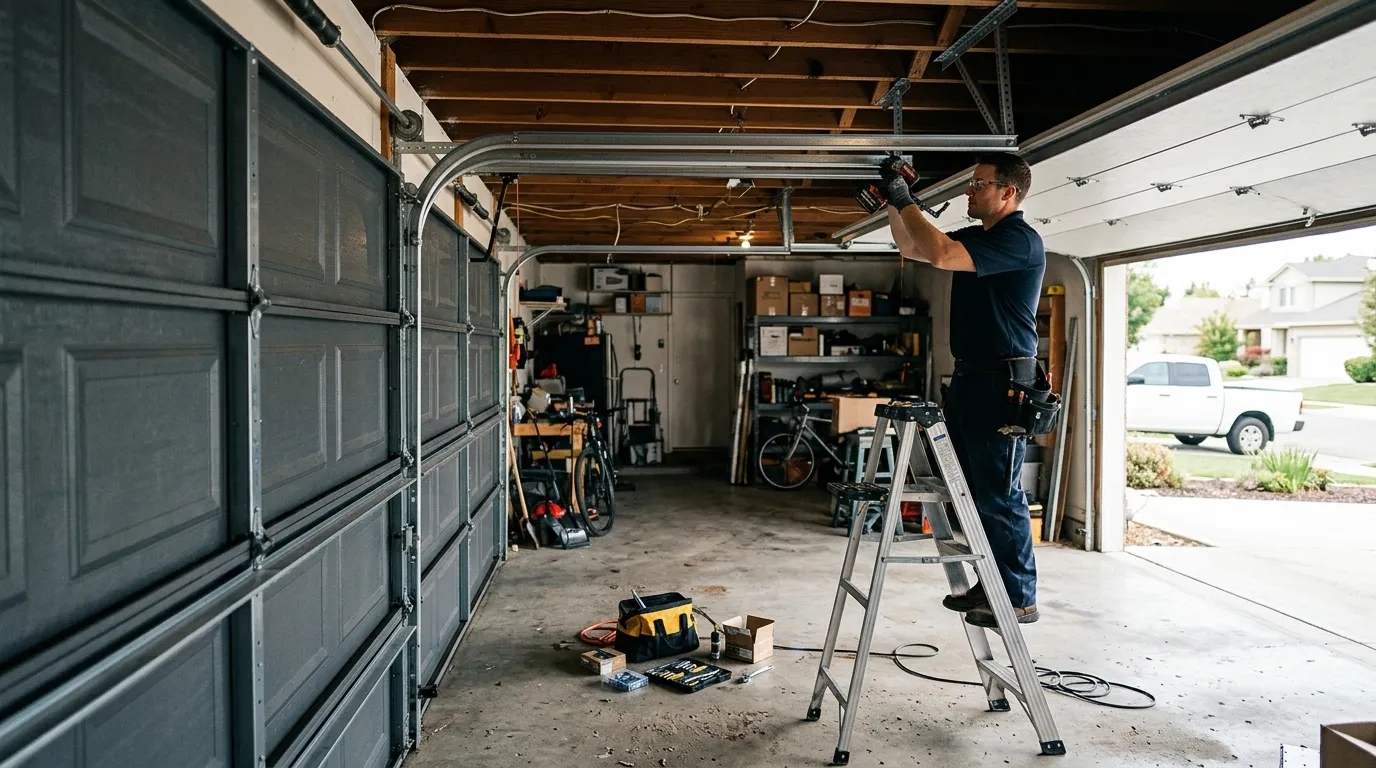
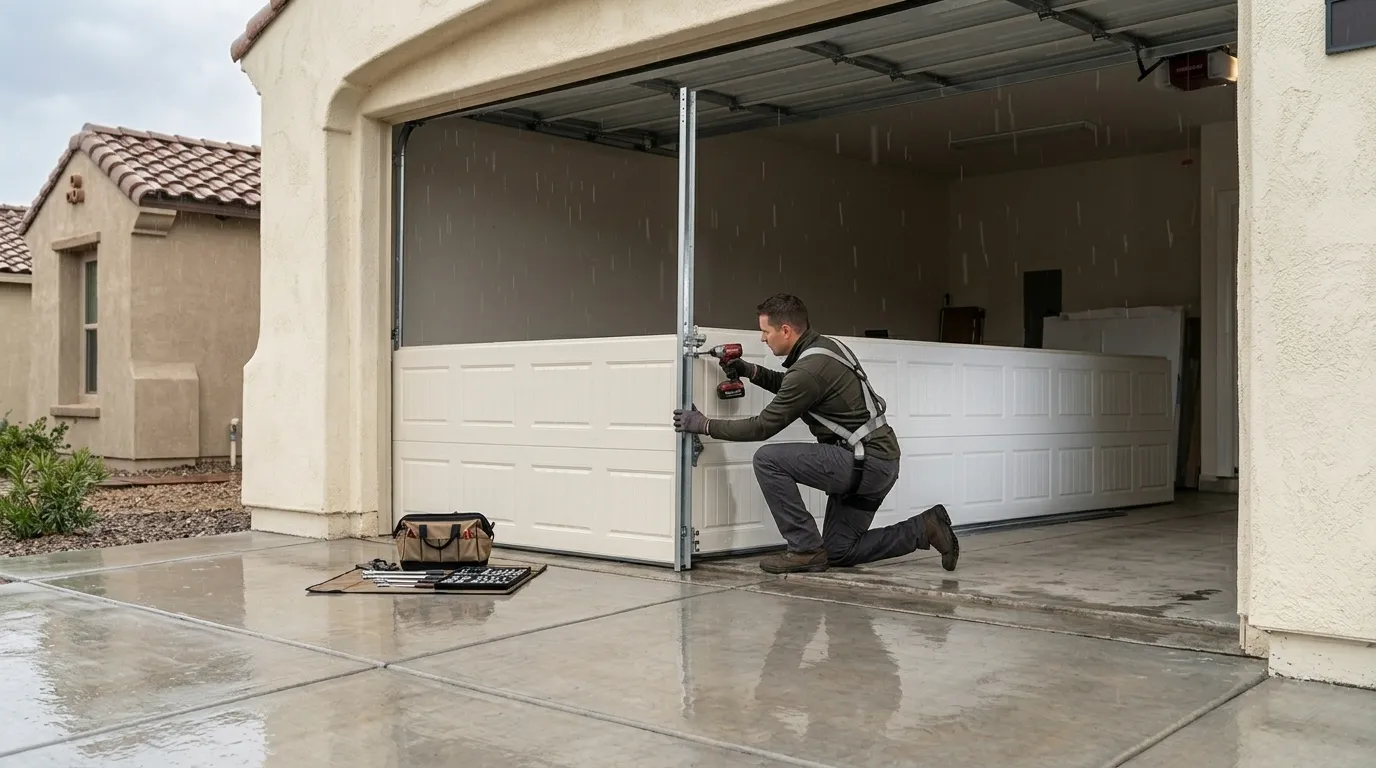
Recent Work in Pace
A look at jobs our crew has been on nearby.
Why Pace Calls Us
Frequently Asked Questions
Why does my opener from the 90s keep failing in cold weather?
Openers built when Pace's housing stock went up - median year 1995 - used lubricant and plastic gear components rated for the era's expectations, not for repeated freeze-thaw cycling. In a mild-with-occasional-freeze climate like this one, that plastic gets brittle and strips under load it used to handle fine.
Do you have a shop in Pace?
No. Pensacola Garage Door Pros works out of Pensacola and covers Pace as part of the service area, about 12 miles out. We don't operate a local branch or depot here, so scheduling accounts for travel time rather than a walk-in counter.
Is it worth repairing a builder-grade opener instead of replacing it?
Depends on the part. A photo-eye or wall control is usually worth fixing. A stripped gear or dead board on a unit installed with the house back in the mid-90s almost never is - parts for those boards aren't stocked anymore, and a new opener costs about the same as chasing down obsolete parts.
What size opener do I need?
It depends on your door's weight and size, not on the town. We size it on the visit rather than quoting a horsepower number sight unseen - a single door and a heavy insulated double door need different motors.
Need Opener Installation in Pace?
Call now for straight answers on cost and timing.