
Garage Door Service in Pace
Garage Door Service for Pace's Mid-1990s Housing Stock
Serving Pace's mid-1990s garage doors from Pensacola, 12 miles out - steel panels, wider two-car openings, and the springs and openers built for that era.
- Licensed & Insured
- Same-Area Service Calls
- Upfront Pricing
What Happens When You Call
-
1
Call or Request a Quote
Tell us what the door is doing and roughly how old the house is - that alone points us toward the likely part before a truck leaves.
-
2
On-Site Diagnosis
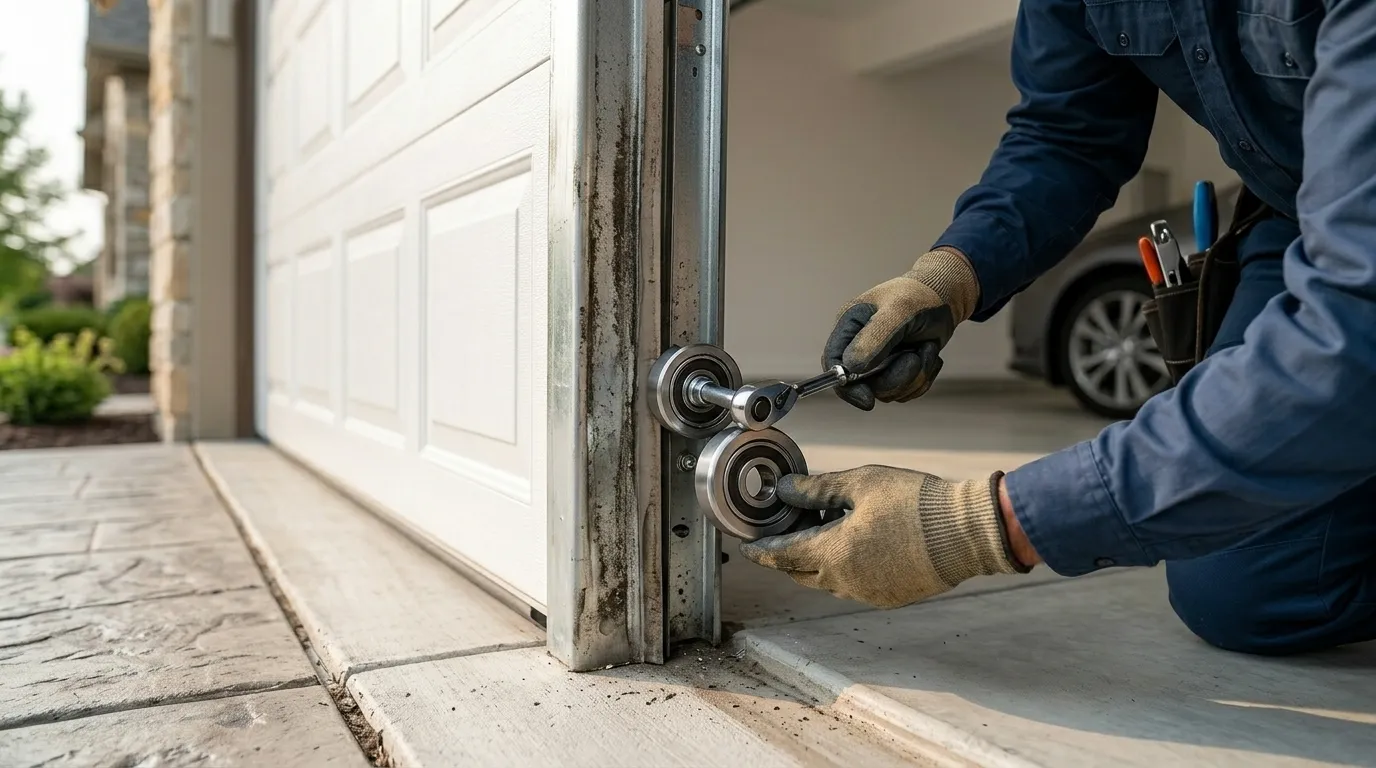
A tech checks the spring, cables, tracks, and opener in person and tells you plainly what is actually wrong.
-
3
Straight Price, No Surprises
You get a number before any work starts. It covers parts and labor, nothing added after the fact.
-
4
Fixed the Same Visit
Most repairs are done in one trip. If a part needs sourcing, we tell you that upfront instead of guessing.
The Complications
Most of Pace went up around 1995, and that shows in the doors. This isn't the older one-piece wood panel you see closer to the coast - it's steel, usually 16 feet wide for a two-car opening, hung on torsion springs sized for a heavier section than the narrow single-car doors built decades earlier. The openers from that build era were mostly chain-drive units, which means metal-on-metal wear that shows up as a grinding rail long before the motor itself gives out.
The complication isn't age in the antique sense - these doors aren't hitting the end of a useful life the way a 1960s door might be. It's that a lot of them are hitting 25 to 30 years on original hardware at the same time, in a neighborhood built out in the same few years.
Springs rated for a specific cycle count don't fail gracefully; they go on a random Tuesday, usually the coldest morning of the stretch. And because Pace's housing came in waves, several households on the same street bought the same builder-grade door and opener, so the same part tends to fail around the same age across a block.
What It Costs
We don't have a fixed price list for Pace to quote here, and pretending otherwise would be a guess dressed up as a fact. What we can say: median household income in Pace runs around $84,912, well above the wider service area's $68,522 median.
That gap matters less for what a spring costs and more for what people choose to do with a door that's marginal - replace versus repair. A higher-income area tends to lean toward full replacement sooner on a door that's showing its age cosmetically, even when the torsion spring and opener could still be fixed for less.
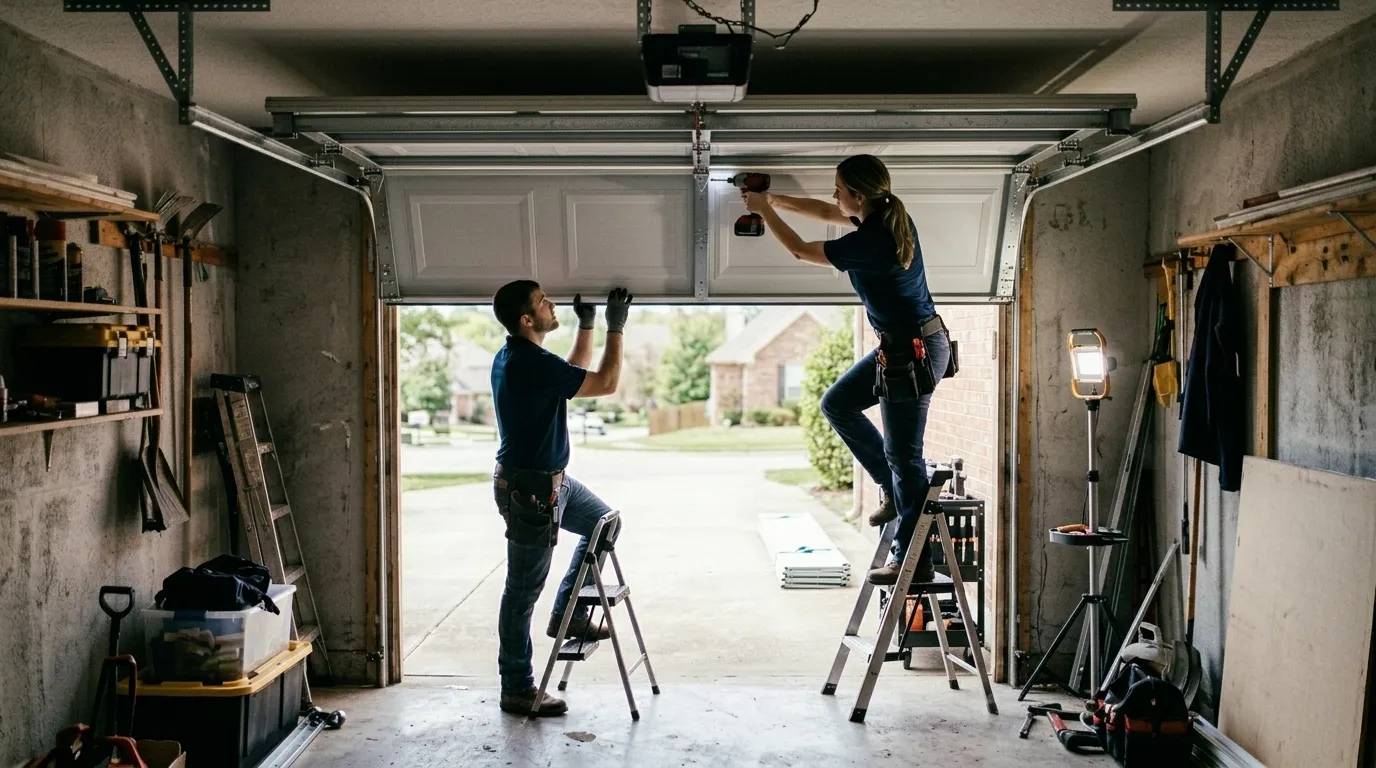
We price the job after we see the door, the opening, and what's actually failed - not off a phone description. If a two-car steel door from this era needs one spring, that's a different job than a door needing both springs, cables, and a rusted track section. We'll tell you which one you've got before we quote it.
What Is on the Truck
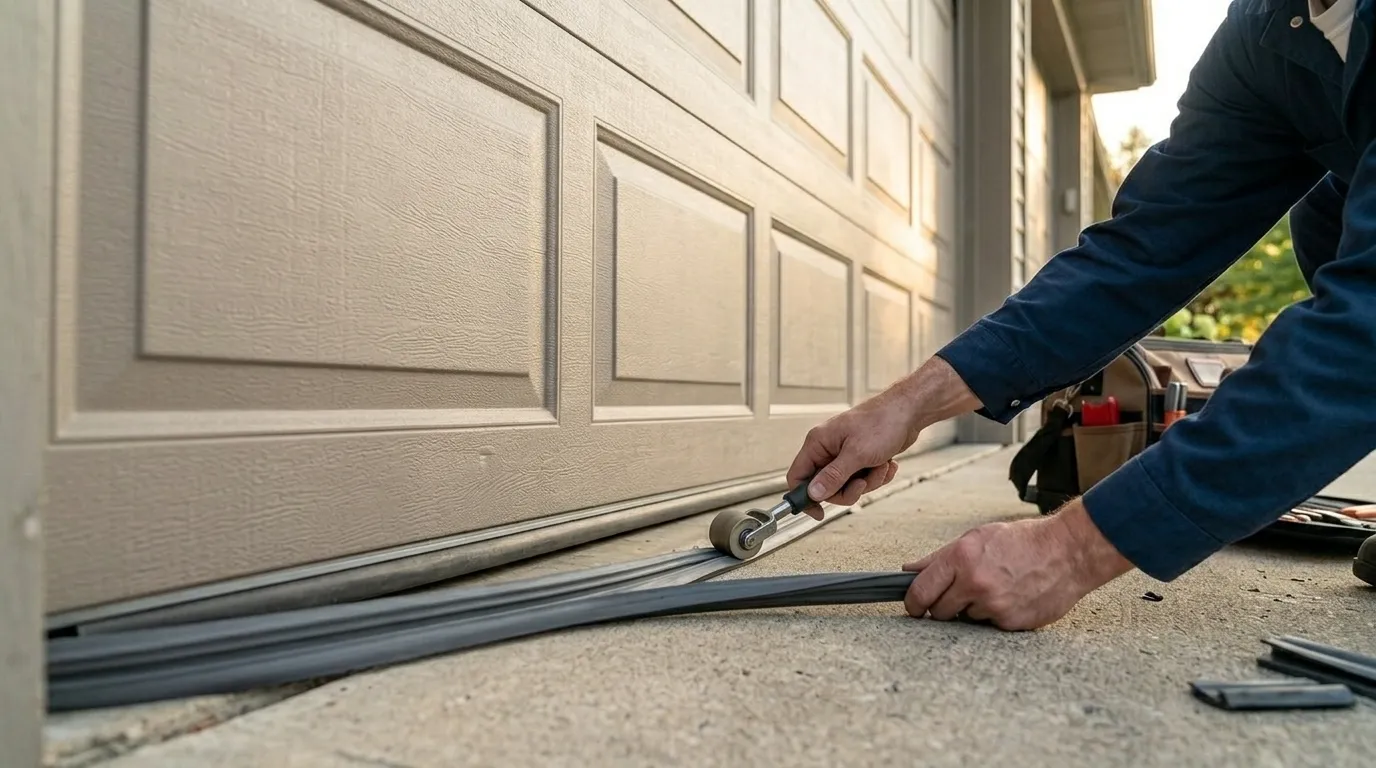
For the doors common in Pace, the truck carries torsion springs in the sizes that match wider two-car steel sections, extension cables, and the rollers that wear out on chain-drive setups from the 1990s build era. We also carry the hardware for track realignment, since a door this size settling slightly out of true is a common complaint here, not a surprise.
What we don't carry: parts for oddball or discontinued opener models that some builders installed in short runs during that period. If your opener is one of those, we may need to source the part before we can finish the job, and we'll tell you that upfront rather than stall on-site.
Can You Do This Yourself
A torsion spring on a door this size is not a homeowner repair - the spring is wound under enough tension to do real damage if it lets go while you're working on it, and a two-car steel door carries more of that tension than a narrow single door. Roller and track cleaning, tightening loose hardware, lubricating hinges - that's fine to do yourself and it extends the life of a door from this era.
Opener troubleshooting is a middle case. A chain-drive unit from the 1990s that's just noisy might need nothing more than a rail lube and a chain tension adjustment, which most homeowners can manage. If it's not opening at all, or the door reverses randomly, that's usually a sensor or logic board issue, and diagnosing it wrong tends to cost more than calling in the first place.
Why This Fails Locally
Pace's houses cluster tightly around one construction era, which means the failures cluster too. A torsion spring rated for a certain number of cycles doesn't care how far Pace sits from Pensacola - 12 miles out - it cares how many times the door has opened and closed since 1995. When a whole subdivision went up in the same two or three years, a lot of springs are aging out around the same calendar window, which is why late fall and early winter tend to bring a run of spring calls out this way.
The area's mild-with-occasional-freeze climate plays a smaller role than people expect, but it's not nothing. A cold snap tightens steel and stiffens grease in an opener that hasn't been serviced in years, and that's often the push that turns a slow failure into a door that won't move at all.
What You Are Seeing
If your door is from the original build and it's sagging unevenly on one side, that's usually a spring going soft, not a broken cable - cables tend to fail suddenly and completely, springs degrade first. A chain-drive opener that's gotten louder over the past year, especially with a metallic knock at the same point in the cycle, is telling you the rail needs lube or the chain needs tension, and ignoring it just accelerates wear on the motor.
A door that reverses partway up or down without an obstruction is almost always a sensor alignment problem on openers from this era, not a structural issue with the door itself. And a door that's fine most days but sticks on the first cold morning is often a spring near the end of its rated cycles, not a track problem - the cold just exposes what daily use was already wearing down.
Talk to a Pace Technician First
Describe what the door is doing and get a straight answer on what it likely needs.
Other Garage Door Services in Pace
Recent Work in Pace
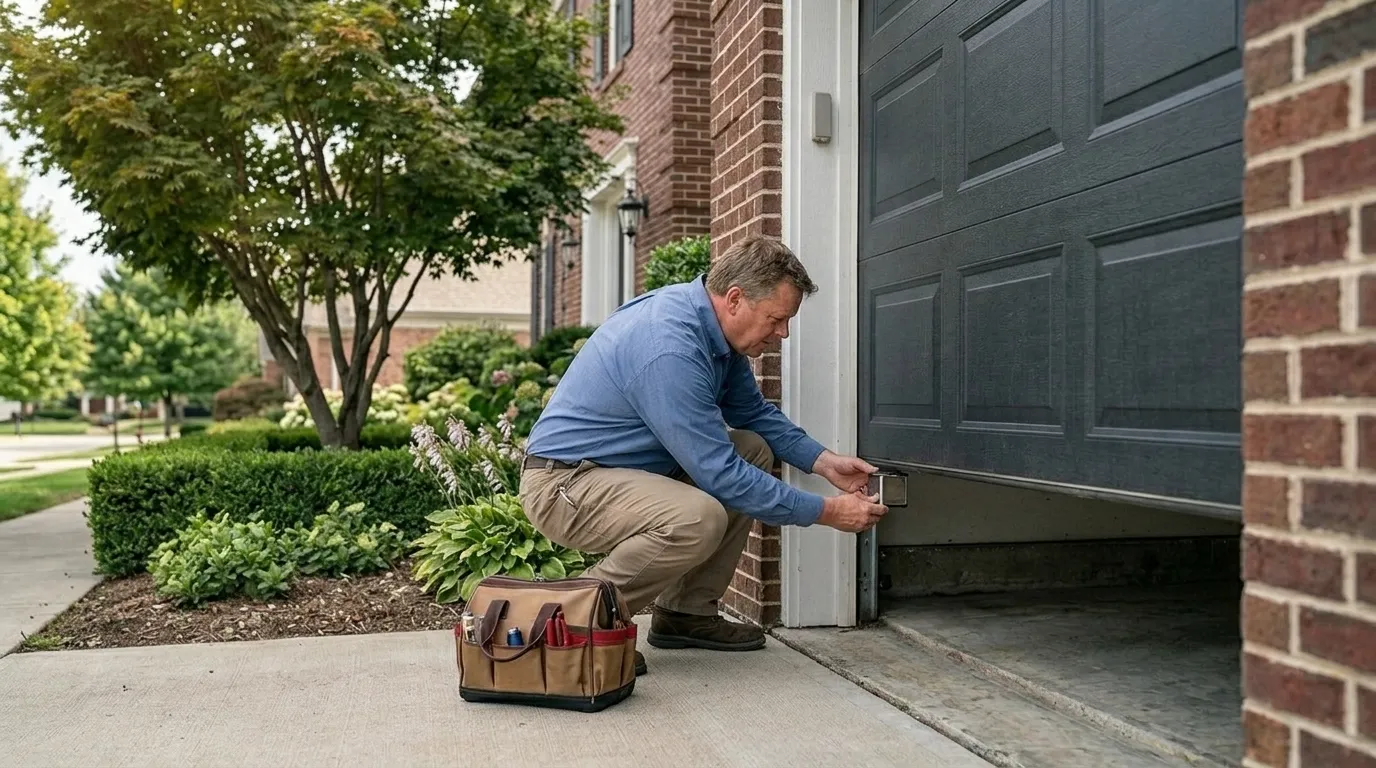
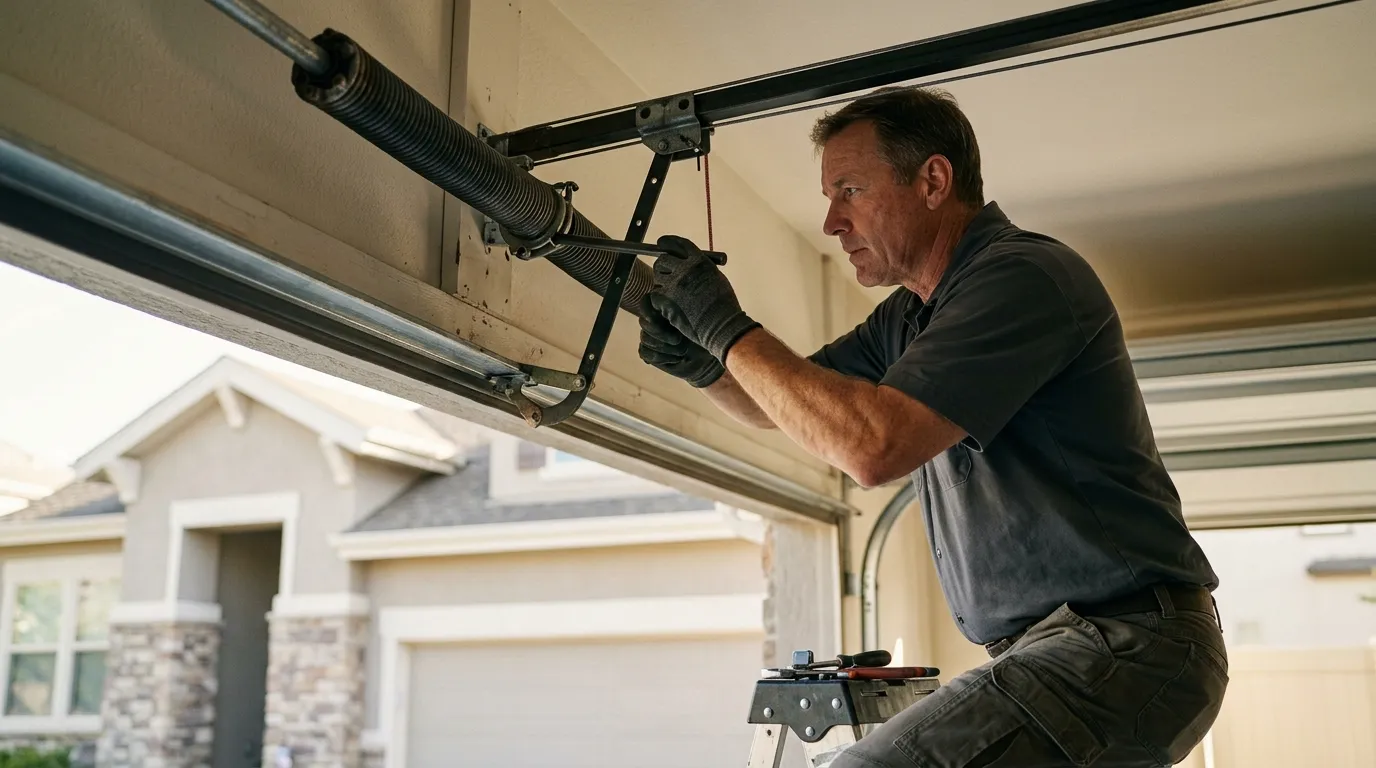
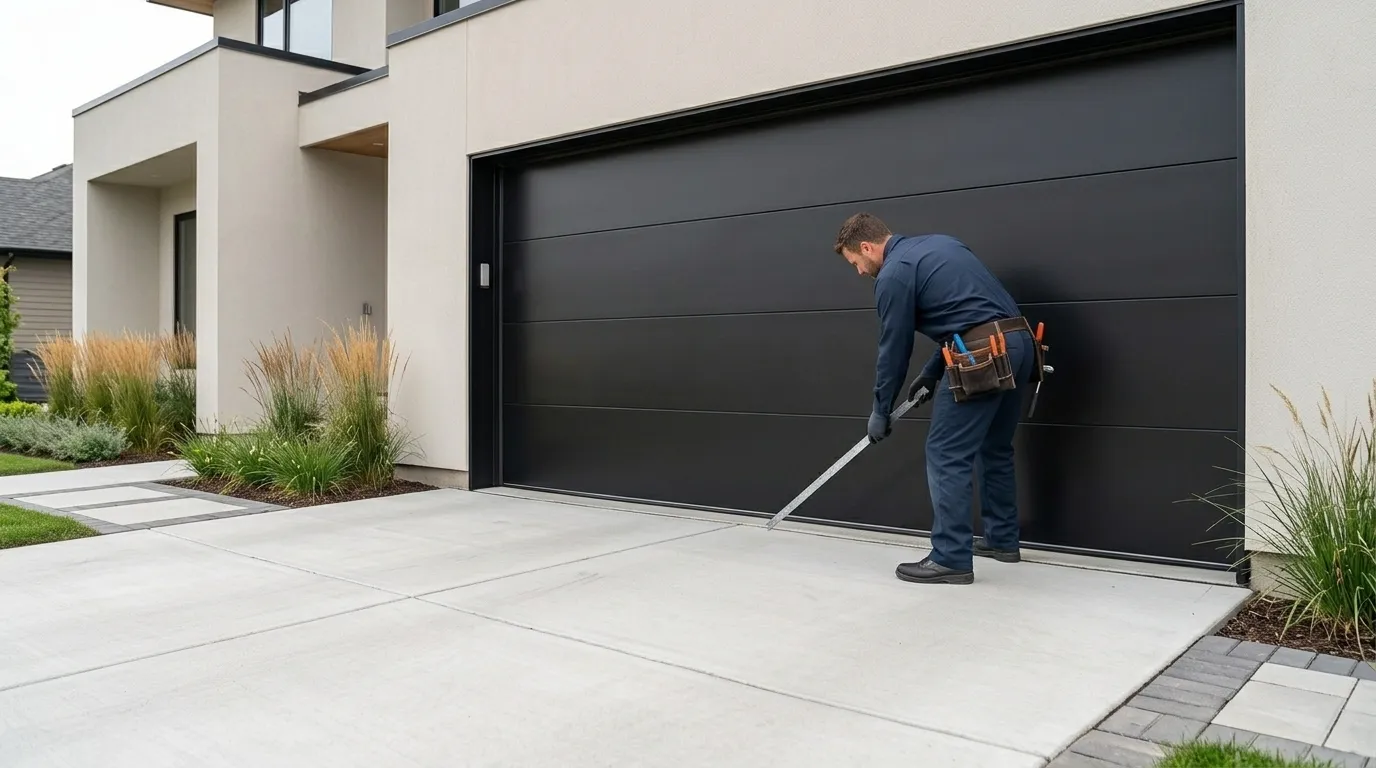
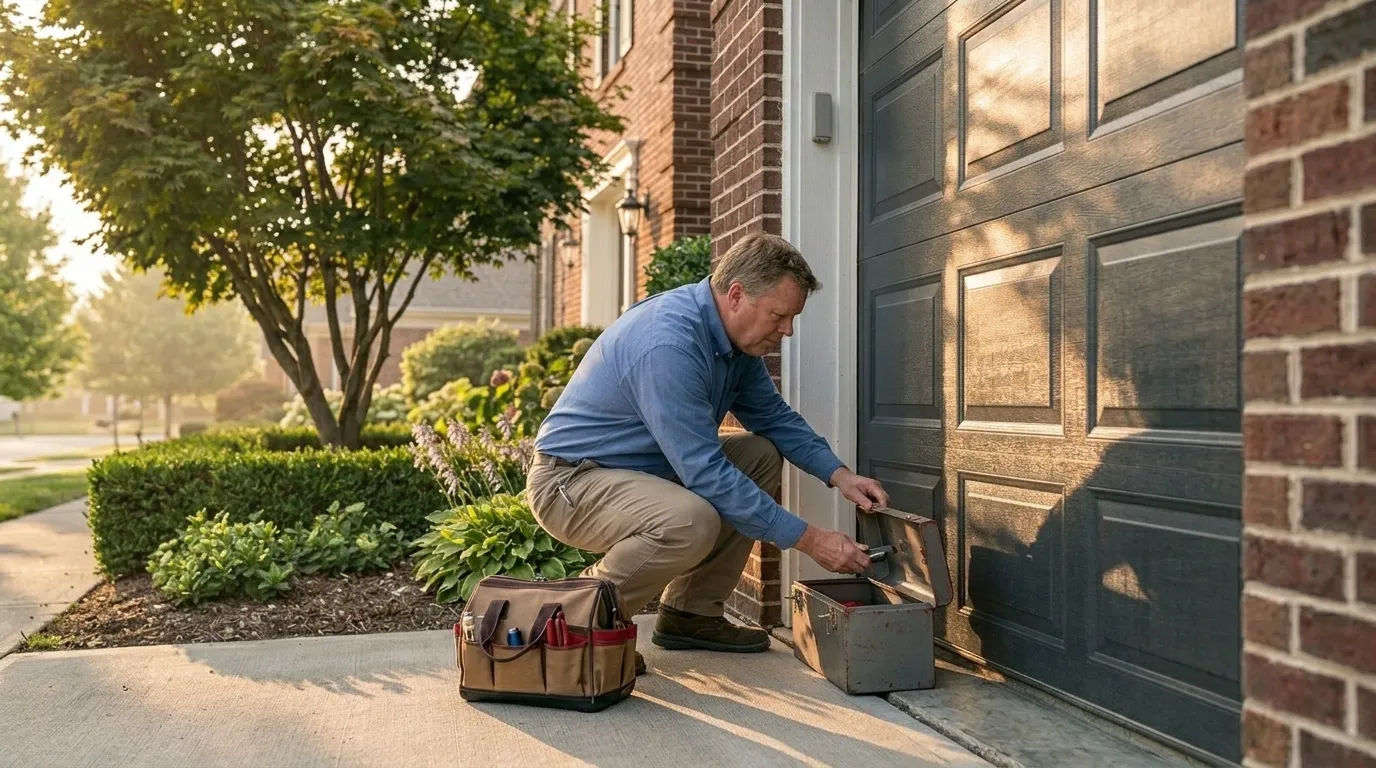
A look at jobs our crew has been on nearby.
Why Pace Calls Us
Frequently Asked Questions
Why do so many Pace garage doors seem to break around the same age?
A large share of Pace's housing went up in the mid-1990s, so a lot of original torsion springs and chain-drive openers are hitting the same cycle count and the same hardware age around the same time. It's not a coincidence - it's the housing wave the area was built on.
Do you have a location in Pace?
No. We run out of Pensacola and cover Pace, about 12 miles out, along with the rest of the surrounding area. There's no separate branch here, so scheduling depends on how the day's route lines up.
Is a noisy chain-drive opener from the 1990s worth fixing or replacing?
Often it's worth fixing first - a rail lube, chain tension adjustment, and roller replacement can quiet a lot of these units. Replace it if the motor itself is struggling or the logic board is failing intermittently, since chasing electrical faults on an old board usually costs more than a new opener.
What size door does a typical Pace house have?
Most houses built during Pace's main construction era have a two-car opening, commonly around 16 feet wide, on a steel sectional door. That's a heavier door than the older single-car doors found in some of the surrounding, earlier-built parts of the service area, and it needs springs sized accordingly.
Need Garage Door Service in Pace?
Call now for straight answers on cost and timing.